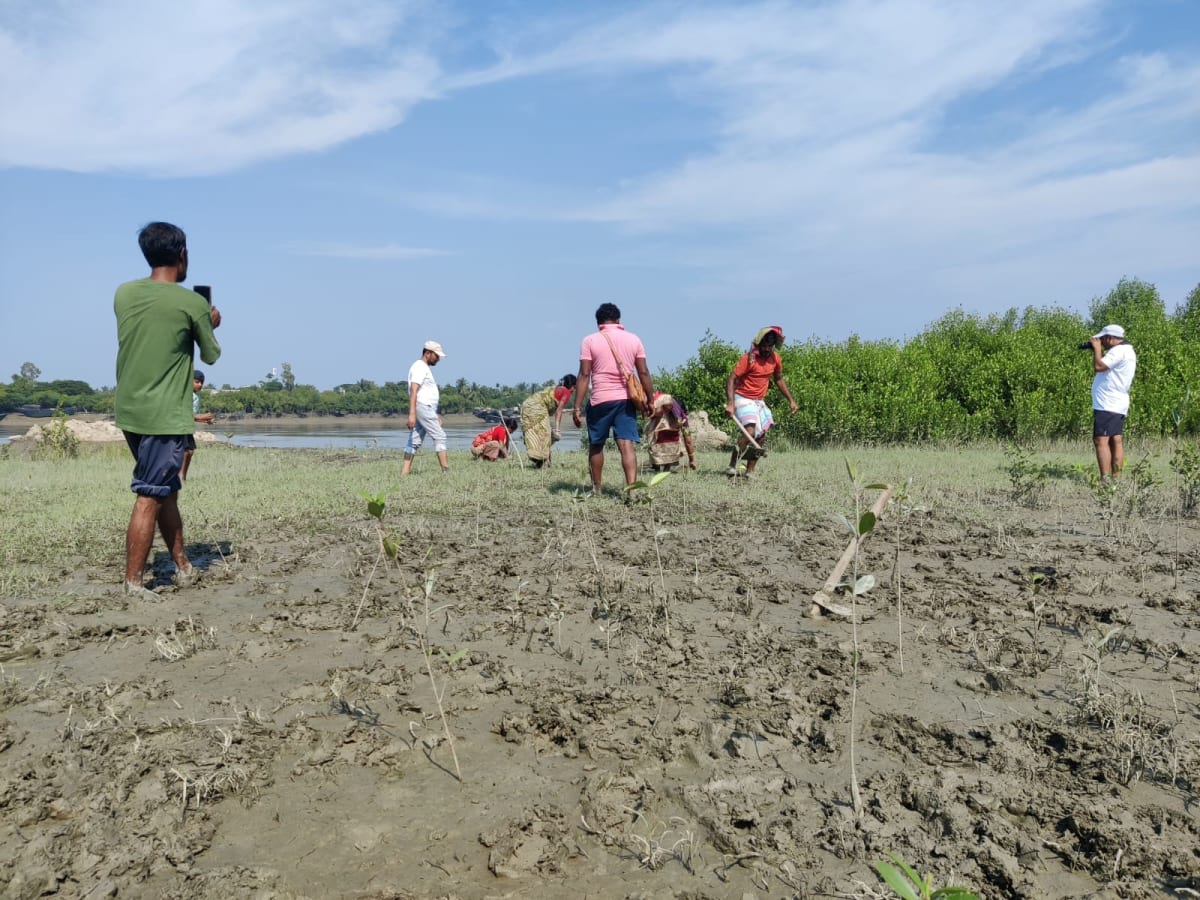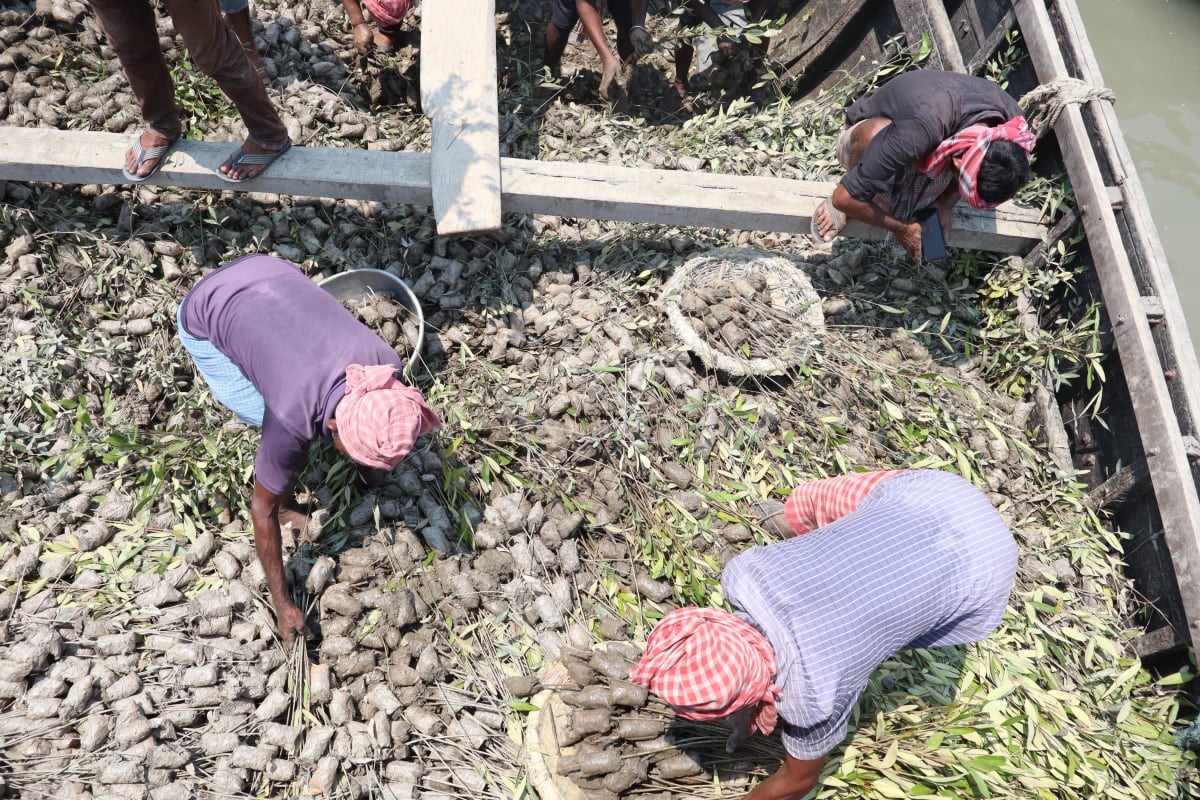
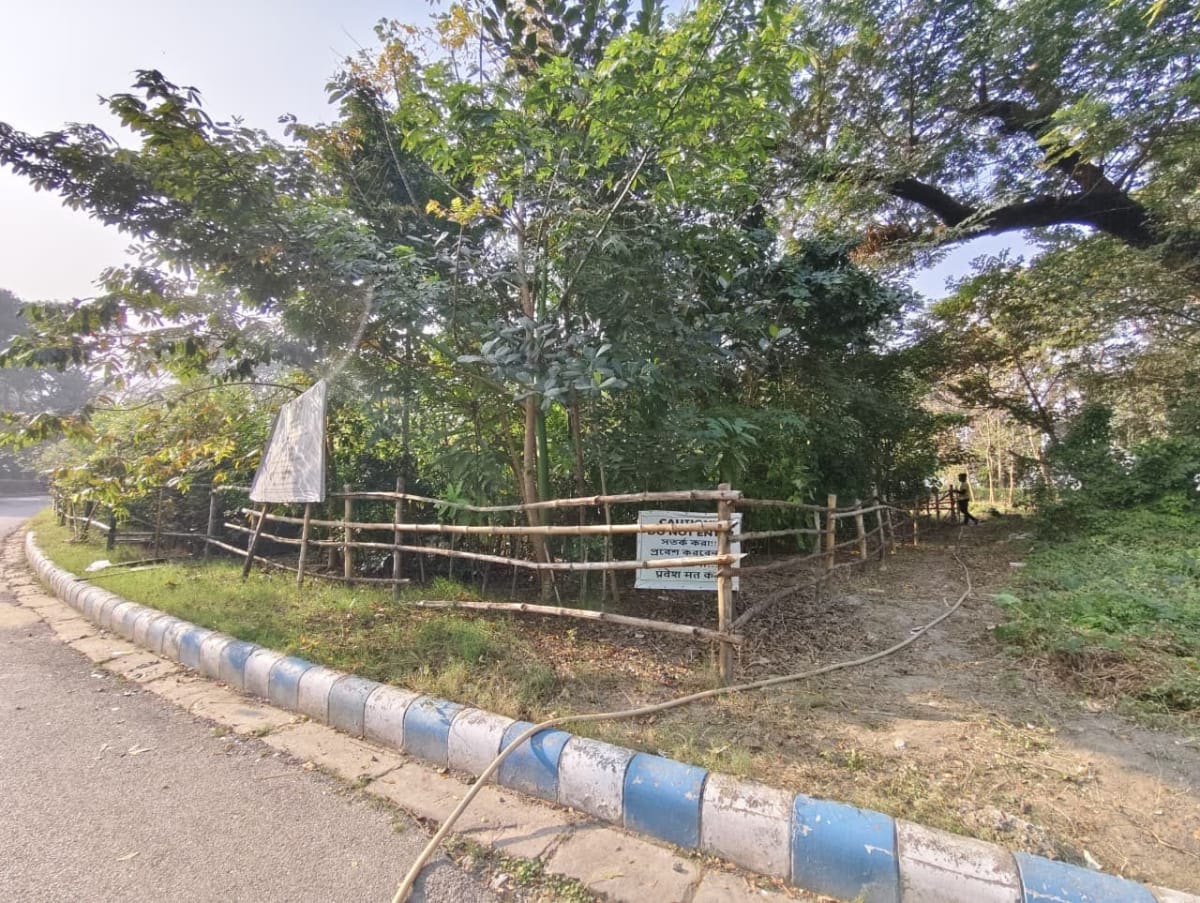
The Miyawaki method has become the default vocabulary for corporate tree-planting in India. Every other CSR brief now mentions it, and almost every nursery has rebranded a row of saplings as a "mini-forest." But the gap between the marketing version of Miyawaki and the working version is wide — and CSR teams are the ones who pay for it when projects fail quietly in year three.
This guide is the version of the conversation we wish we could have at the start of every corporate engagement.
What a Miyawaki forest actually is
The Miyawaki method, developed by the late Japanese botanist Akira Miyawaki, is a soil-first, native-species-only approach to growing dense forest patches on small plots — typically 100 to 3,000 square metres. Three things make it distinct from conventional plantation:
- Aggressive soil preparation. The top 80–100 cm of soil is loosened and amended with biomass, manure, and a water-retentive mulch. This is the single most expensive step, and the one that's most often skipped.
- High planting density. Three to five native saplings per square metre, planted randomly, in three or four vertical layers — shrub, sub-tree, tree, canopy.
- Native-only species selection. Species are chosen from the potential natural vegetation of the site, not from a generic "fast-growing trees" list.
The biological logic is simple: when you crowd diverse natives together on rich soil, they compete for light, force each other upward, and reach canopy closure in roughly two years instead of fifteen.
What you should realistically expect
A well-built 1,000 m² Miyawaki plot in coastal West Bengal, three years after planting, typically delivers:
- Canopy closure within 24 months
- 30–60 native species established (versus 1–3 in a conventional plantation)
- A measurable drop in surface temperature of 2–4 °C inside the patch versus the surrounding ground
- Functional habitat for small birds, butterflies, and pollinators within 18 months
- Survival rates above 85% if and only if a three-year maintenance plan is in place
What it will not do:
- It will not "absorb" the company's annual emissions. The biomass simply isn't there yet, and a plot this size cannot scale to that claim.
- It will not look like a forest in six months. Year-one photos always look thin. That's normal.
- It will not maintain itself. The first 36 months are labour-intensive, full stop.
The seven questions to ask before signing
If you're a CSR or sustainability lead reviewing a Miyawaki proposal, the answers to these seven questions tell you almost everything you need to know about whether the project will succeed.
1. What is the species list, and where does it come from?
A serious proposal lists every species by scientific name and references the potential natural vegetation or local forest survey data for the site. If the list contains Eucalyptus, Acacia auriculiformis, Cassia siamea, or Leucaena leucocephala, walk away. These are exotic, often invasive, and have no place in a native-restoration project.
2. How deep is the soil work, and what's going into the amendment?
Look for a stated excavation depth (80–100 cm), a biomass quantity (typically 4–6 kg/m²), and a mulch layer. "Standard pit planting" is not Miyawaki — it's just plantation with a fashionable label.
3. What is the maintenance plan for years 1, 2, and 3?
The proposal should specify watering frequency, weeding intervals, gap-filling protocol, and the team responsible. If maintenance is "optional add-on," the project will fail.
4. What's the survival guarantee, and how is it measured?
A reputable contractor will commit to a survival rate (typically ≥85% at 36 months) and will install a third-party or photographic verification process. Vague language like "we'll monitor regularly" is not a commitment.
5. Where is the water coming from?
Miyawaki plots need irrigation for the first 24 months. If the site has no borewell, no municipal supply, and no rainwater harvesting, the watering plan needs a tanker schedule and a budget line for it.
6. Who owns the land, and what's the land tenure?
A 30-year forest needs at least a 10-year tenure commitment. If the site is rented, on disputed municipal land, or scheduled for development, the project is effectively decorative.
7. What does the monitoring report look like, and how often?
Ask to see a sample monitoring report from a previous project. Quarterly is the minimum. The report should include species-wise survival counts, mean height, canopy cover, and visible pest or disease incidence.
When a Miyawaki forest is the right answer — and when it isn't
Miyawaki is the right tool when:
- You have a small, secure, urban or peri-urban site (institutional campuses, factory boundaries, residential layouts).
- The goal is biodiversity, microclimate cooling, air quality, and community visibility.
- You are willing to fund three years of maintenance, not just planting.
It is the wrong tool when:
- The objective is measurable carbon sequestration at scale. Use agroforestry or mangrove restoration instead.
- The site is rural, landscape-scale, or ecologically degraded grassland. These call for assisted natural regeneration, not dense planting.
- The budget covers planting only. A Miyawaki without maintenance is a six-month garden.
The takeaway for CSR teams
Miyawaki forests are an excellent intervention when matched to the right site, the right soil work, and the right multi-year commitment. They are a poor intervention when treated as a single-day plantation event for an Annual Report photo.
The good news: an honest Miyawaki project is one of the highest-impact biodiversity actions a company can fund per rupee. The bad news: it's also one of the easiest to fake. The seven questions above are the difference.
If you're planning a Miyawaki project in Eastern India and want a no-pitch second opinion on a proposal you've received, get in touch — we'll happily review it with you.