A CSR project can have a clear budget, a strong objective and an experienced implementation partner and still struggle if the land is unsuitable. The site determines what can be planted, how the intervention should be designed, what risks may arise and whether the project can continue after the initial activity.
Yet land selection is often treated as an administrative step. A parcel is identified, an area figure is shared and the proposal moves directly to species selection and plantation planning.
For environmental CSR, that sequence can create avoidable problems. Land may be available but not secure. It may be suitable during the monsoon but dry out severely later. It may be used by farmers or local communities. It may already have natural regeneration that needs protection rather than replacement. It may be reassigned before the project reaches maturity.
The right question is not simply, “How much land is available?” It is, “Can this land support the intended ecological outcome for the required period?”
Land availability is not the same as land suitability
A site becomes a viable CSR project location only when several conditions come together. The land must be appropriate for the intervention, accessible enough to implement and monitor, compatible with local use, and available for the duration needed to establish the outcome.
A site that meets only one or two of these conditions may create problems later. For example, a large open area may look attractive for a plantation target, but if grazing cannot be controlled or maintenance responsibility is unclear, the project may have weak survival even after a well organised planting day.
The first assessment should be about land status
Before discussing species or sapling numbers, the project team should understand who controls the land, who uses it and whether the proposed activity is permitted. Documentation and local confirmation matter because environmental projects are expected to continue beyond a single event.
The assessment should clarify ownership or management authority, permissions, duration of access, boundaries, existing commitments and responsibility for maintenance. Where land is managed by an institution, local body, community or private landholder, the roles should be documented rather than assumed.
This protects both the project and the company. It reduces the risk of investing in a site where access is later restricted or the land is allocated to another use.
What should be assessed before approving a site
| Decision checkpoint | Evidence required before approval |
|---|---|
| Land control and duration | Written confirmation of authority, boundaries, permissions and project access period. |
| Current land use | Understanding of farming, grazing, public access, water collection or other existing uses. |
| Seasonal conditions | Evidence on water availability, flooding, heat, erosion and access across seasons. |
| Ecological suitability | Site observations on soil, existing vegetation, natural regeneration and disturbance. |
| Community compatibility | Identification of affected users, local stakeholders and maintenance responsibilities. |
| Maintenance feasibility | Clear plan for watering, protection, replacement, upkeep and responsible parties. |
| Monitoring feasibility | Realistic access for repeat visits, location records, field evidence and reporting. |
Ecological suitability comes before plantation design
Once land status is understood, the next question is whether the site can support the proposed ecological intervention. This requires attention to soil, water, topography, existing vegetation and seasonal conditions.
A site that appears healthy in one season may behave very differently in another. Water availability, waterlogging, heat, erosion and access conditions can change across the year. A site assessment should therefore consider seasonal variation rather than relying only on the conditions visible during one visit.
Existing vegetation is equally important. Natural regeneration may indicate that the site already has ecological potential. In such cases, the project may need protection, enrichment planting or removal of pressures instead of clearing the area and starting again.
Related reading: How to choose the right native tree species for a CSR project
Match the land to the project objective
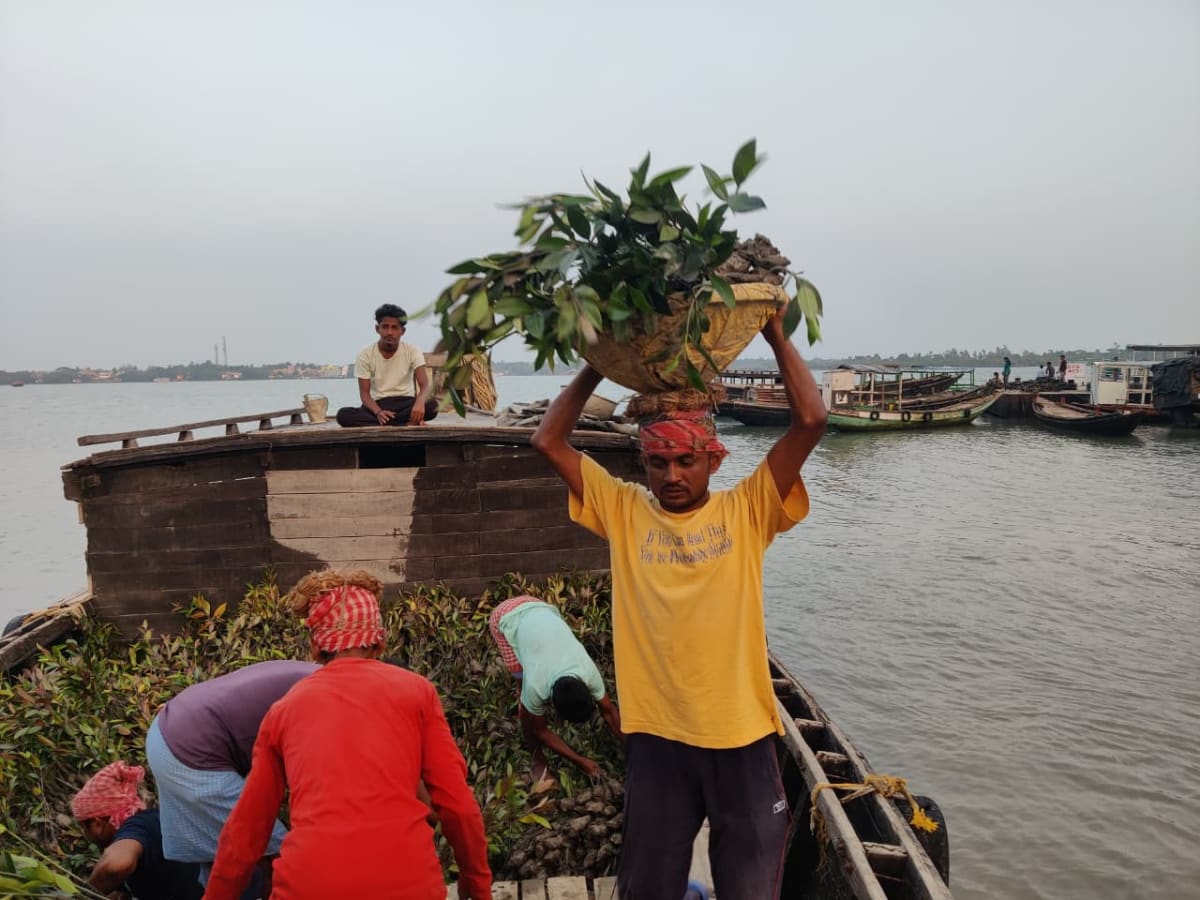
Different CSR objectives require different land characteristics. A dense native forest model may need a defined urban or institutional patch with protection from repeated disturbance. Agroforestry requires working agricultural land and willing farmers. Mangrove restoration requires appropriate coastal conditions and attention to tidal and hydrological processes.
This is why land should not be selected only because it can accommodate a particular number of saplings. The project objective and the ecological requirements of the intervention should determine whether the site is appropriate.
Consider how the land is used today
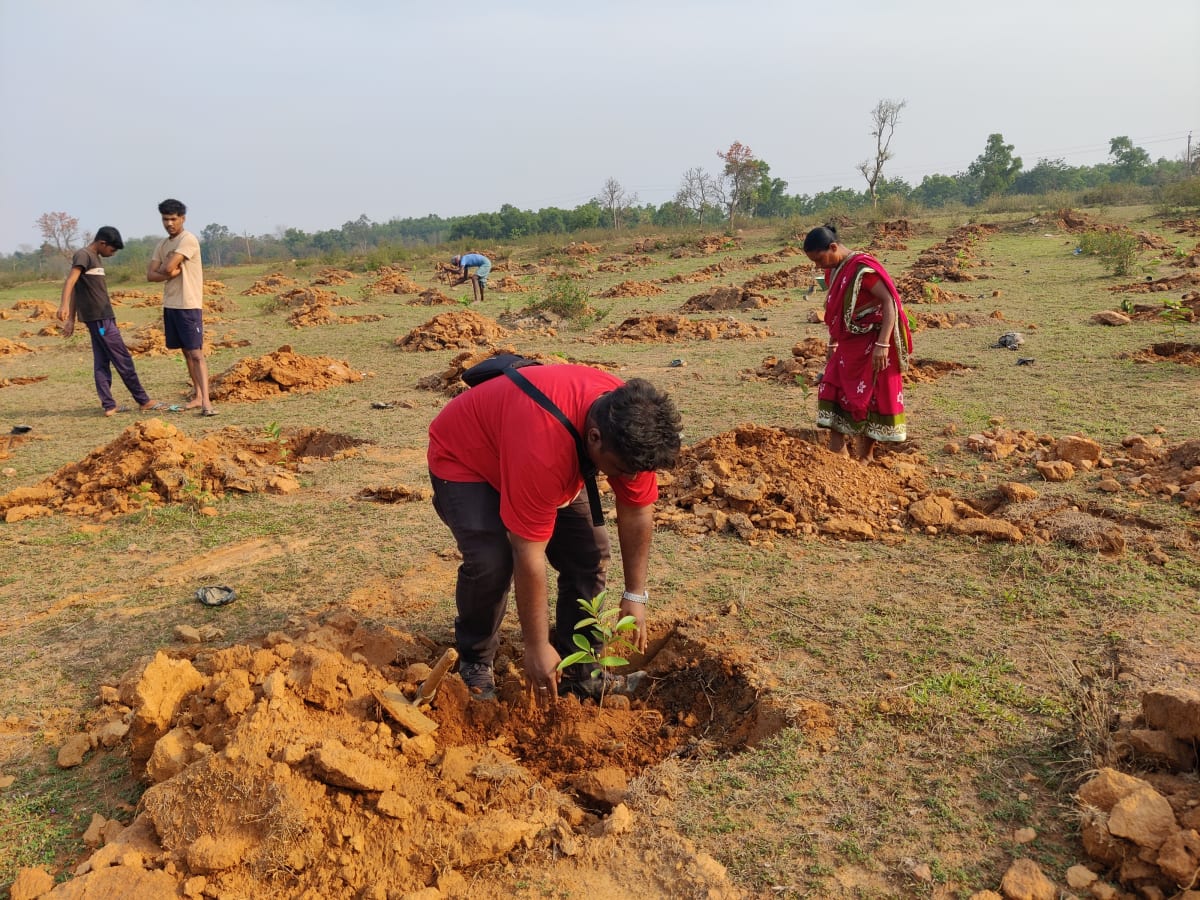
Environmental CSR projects operate within real landscapes. Land may support farming, grazing, water collection, walking routes, fishing, seasonal cultivation or other livelihood activities. These uses are not obstacles to be ignored. They are part of the site context.
A project that blocks access or conflicts with local use may face resistance, damage or poor maintenance. A project designed around existing use can create stronger participation and more practical long term care.
For example, an agroforestry project should be planned with farmers around crop cycles, labour, landholding patterns and the usefulness of selected species. A community managed site should clarify who will protect and maintain the intervention after implementation.
Project example: Agroforestry in West Bengal with SayTrees
Maintenance feasibility should be tested before planting
Many proposals mention maintenance but do not define what it involves. The requirement may include watering, mulching, replacement planting, protection, weeding, pruning, invasive species control or monitoring. The actual needs depend on the site and intervention.
Before approving land, the company should understand whether maintenance is physically possible, who will perform it, how often it is required and how long support will continue. A remote site with difficult access may have a different cost and risk profile from a site near an urban centre.
The most suitable site is not always the largest or most visually impressive. It is often the site where the project can be implemented responsibly and supported consistently.
Monitoring access is part of site suitability
A site that cannot be revisited easily is difficult to monitor. This matters because impact reporting depends on evidence collected after the initial activity.
The team should consider access during different seasons, safety, mobile connectivity where relevant, location records, boundary clarity and the feasibility of repeat field visits. Monitoring does not need to be technologically complicated, but it must be realistic.
If the project requires survival assessments, repeat photographs or GIS based records, the site plan should account for how that evidence will be collected.
How we monitor: How we verify restoration sites with AI-based dMRV
How Backyard Botanist evaluates project landscapes
Backyard Botanist approaches land selection as part of project design rather than as a separate administrative exercise. The assessment considers the intended objective, ecological conditions, land use, implementation requirements, maintenance feasibility and monitoring needs.
This helps the team decide whether the proposed intervention is appropriate, whether the site needs preparation or protection first, and what kind of implementation model is realistic. Where suitable land or landscapes are required, the final project plan remains subject to site suitability, permissions, availability and local conditions.
Explore our ecosystem restoration services or learn more about Backyard Botanist.
A practical approval checklist for CSR teams
Before approving a site, corporate teams should request clear answers to the following questions:
Who controls the land and for how long can the project operate there? What is the land used for today? What ecological conditions support or limit the proposed intervention? Is there existing natural regeneration? What seasonal risks are present? Who will maintain the site? Can the project be monitored with credible evidence? What happens if land use changes?
These questions create a stronger basis for comparing sites than area and sapling capacity alone.
The cost of choosing poorly
Poor land selection can increase costs in several ways. Replanting may be required where survival is weak. Additional protection may become necessary where grazing or disturbance was underestimated. Maintenance may cost more than planned if water access is difficult. Reporting may become weak when the site cannot be revisited.
More importantly, the company may have to explain why the reported activity did not translate into the intended outcome. Early site assessment is therefore not a delay to implementation. It is a way to protect the investment.
Choose the site before choosing the number
The quality of an environmental CSR project is strongly influenced by the land on which it is implemented. A suitable site supports better ecological design, more realistic budgeting, stronger community alignment and more credible monitoring.
Before approving a plantation or restoration proposal, assess the land as a living landscape with existing uses, seasonal changes and long term requirements. Backyard Botanist can help companies evaluate site suitability and build an environmental CSR project around what the land can realistically support.