Choosing an environmental CSR implementation partner is not the same as choosing a vendor for a one-day plantation event. The partner you appoint can influence the quality of the site, the suitability of the ecological intervention, the survival of planted species, the participation of local stakeholders, and the evidence available for reporting. A weak appointment process can leave a company with photographs, invoices and plantation numbers but limited understanding of what changed on the ground.
For CSR teams, the central question should be simple: can this partner convert an approved budget and a broad environmental objective into a project that is ecologically appropriate, operationally manageable and measurable over time? Answering that question requires more than reviewing a presentation or comparing the lowest per-sapling quote.
An implementation partner should be assessed across the entire project lifecycle, from discovery and land assessment to design, procurement, field execution, maintenance, monitoring and closure reporting. The right partner does not merely organise activity. It helps the company make better decisions before activity begins and remains accountable after the event is over.
What an environmental CSR implementation partner is expected to do
Environmental CSR projects can include native forest development, mangrove restoration, agroforestry, watershed-related work, biodiversity improvement, habitat restoration and other landscape-specific interventions. Each requires different technical decisions. A partner experienced in urban plantation drives may not have the capability to assess tidal hydrology for mangrove restoration. A nursery operator may be able to supply saplings but may not be equipped to design a farmer-led agroforestry programme.
The first evaluation step is therefore to understand the partner’s actual role. Is the organisation only supplying planting material? Is it managing field labour? Is it responsible for land identification, ecological design, maintenance and monitoring? Or does it coordinate the entire programme through several subcontractors?
| Partner capability | What the CSR team should verify | Why it matters |
|---|---|---|
| Project design | Evidence of site-specific ecological planning and clear project objectives | Prevents a standard plantation package from being applied to unsuitable land |
| Field implementation | Named field team, operating process, supervision and quality controls | Shows whether the partner can execute beyond event-day coordination |
| Planting material | Species rationale, nursery sources, quality checks and replacement process | Influences establishment and long-term survival |
| Maintenance | Defined schedule, responsibilities, duration and escalation process | Protects the investment after planting |
| Monitoring and reporting | Baseline, location records, survival checks, photographs and outcome metrics | Makes project progress easier to verify |
| Community engagement | Approach to farmers, local residents, institutions or other stakeholders | Improves acceptance, participation and continuity |
| Risk management | Process for drought, grazing, flooding, access problems or land-use changes | Shows how the project will respond when conditions change |
Do not evaluate partners only through their project photographs
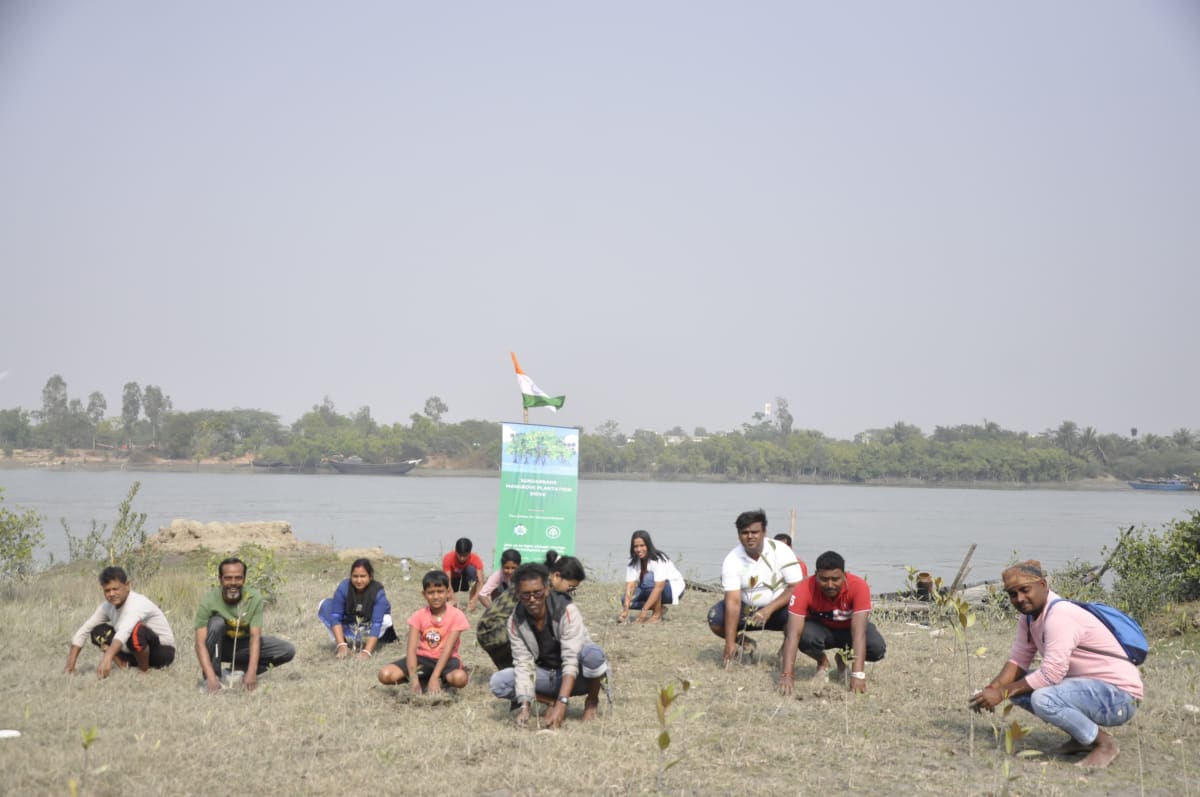
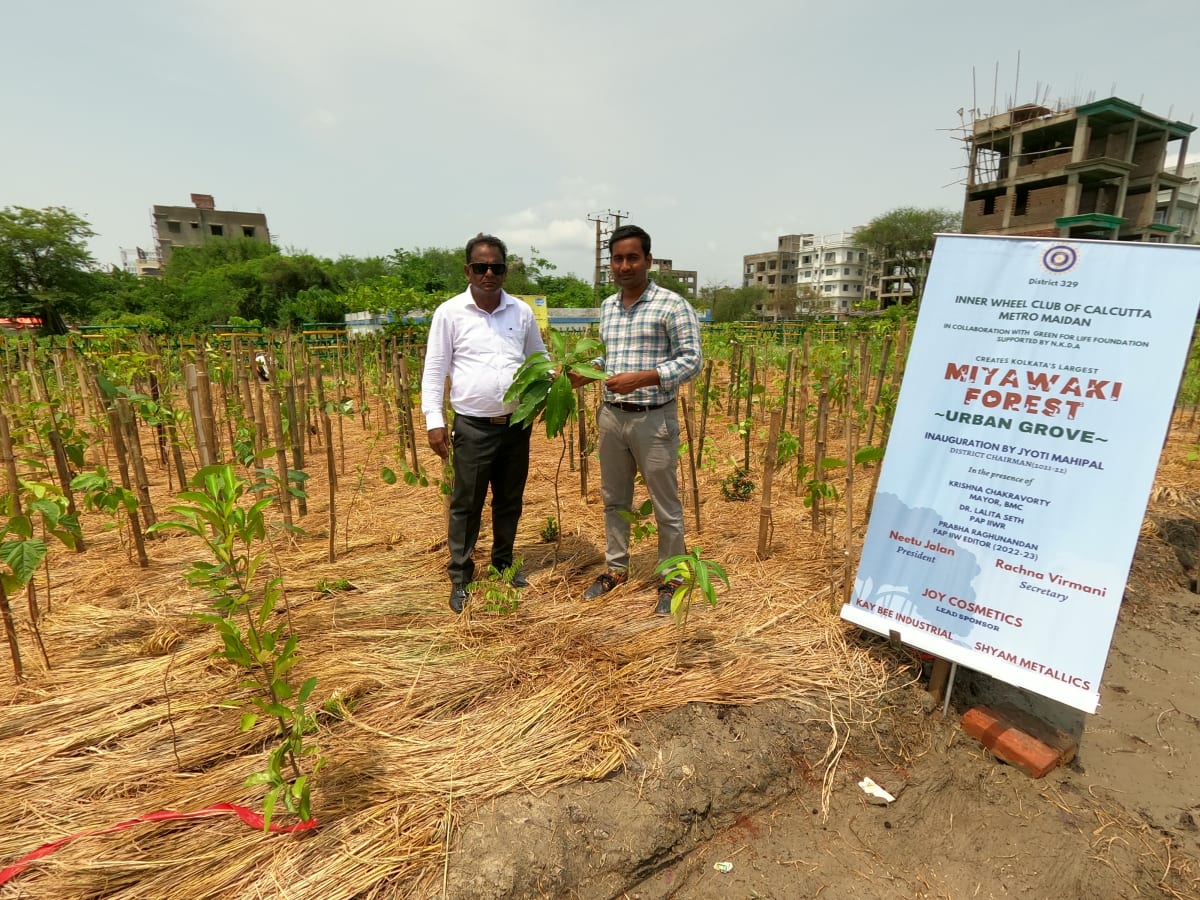
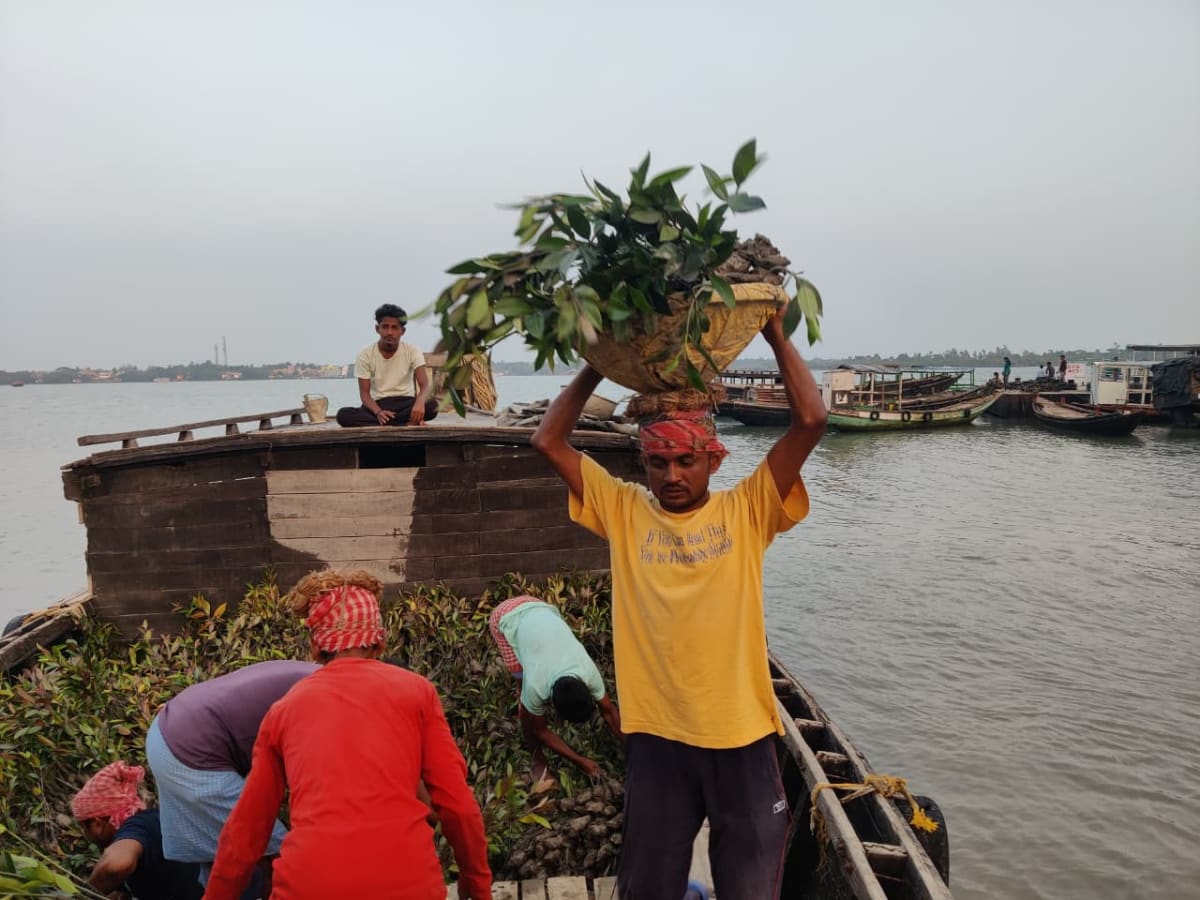
Photographs can demonstrate that an activity took place, but they rarely establish whether the intervention was well designed or sustained. A portfolio may show rows of newly planted saplings, a corporate team holding tools, or a completed inauguration board. These images are useful communication assets, but they should not be treated as proof of ecological performance.
Ask what happened after the photographs were taken. Was the site revisited? Were dead saplings replaced? Was survival measured using a defined method? Did the landowner continue to maintain the area? Were species changed because the soil or water conditions were different from the original plan? Did the partner document setbacks as well as progress?
A credible partner should be comfortable discussing incomplete outcomes and corrective action. Environmental projects operate in living systems. Rainfall, grazing, water availability, land access and local participation can change. A partner that promises perfect results without explaining risk may be presenting certainty where careful management is more realistic.
Questions to ask before signing a proposal
| Evaluation area | Questions to ask | Evidence to request |
|---|---|---|
| Land | Who identified the land? Who controls it? What checks were completed? | Land details, permissions, site assessment and photographs |
| Objective | What specific environmental or social outcome is intended? | Written objective and measurable indicators |
| Species | Why are these species suitable for this location? | Species list with ecological rationale |
| Execution | Who will manage the fieldwork and supervise quality? | Team structure and implementation plan |
| Maintenance | What happens after the planting event? | Maintenance schedule, budget and responsibility matrix |
| Monitoring | How will survival and progress be checked? | Sample monitoring format and reporting calendar |
| Community | Who participates and what responsibilities continue locally? | Engagement plan or documented local agreements |
| Reporting | What will the company receive and when? | Sample report with maps, metrics and field evidence |
| Risks | What happens if the site fails or conditions change? | Risk register and corrective action process |
The importance of site assessment
A partner should be able to explain why a particular intervention fits the proposed site. This includes more than confirming that land is available. Relevant considerations may include soil condition, drainage, water access, salinity, tidal movement, existing vegetation, grazing pressure, land-use plans, human movement, fire risk, seasonal access and the practical ability to maintain the intervention.
For example, a dense native planting model may be suitable for one urban site but inappropriate for land needed for regular public access. Agroforestry may be more relevant where farmers need productive land-use options, while mangrove restoration requires attention to tidal flow and coastal conditions. The partner should be able to explain not only what it recommends, but also what it has ruled out and why.
Related reading: How to choose the right land for an environmental CSR project
Assess whether the partner understands maintenance as part of implementation
Planting is visible and easy to communicate. Maintenance is less visible but often determines whether the project develops beyond its first few months. A serious partner should specify watering where required, weeding, mulching, protection from grazing, replacement planting, pest observation, access arrangements and monitoring visits according to the site.
The maintenance plan should also identify what happens when the original assumptions prove wrong. If rainfall is delayed, who decides whether watering is needed? If grazing damages the site, who arranges protection? If a species performs poorly, who approves a replacement? These questions should be resolved in the proposal rather than during an emergency.
Look for evidence of monitoring, not only reporting design
A polished report template does not automatically mean that meaningful monitoring will happen. Ask how field data is collected, who collects it, how locations are recorded, how photographs are linked to sites, and how the team checks whether information is complete. Monitoring should be proportionate to the project, but it should still be systematic.
Useful evidence may include geotagged photographs, mapped project boundaries, plot or sample records, survival assessments, maintenance logs, stakeholder observations and periodic progress reports. Where digital monitoring or AI-based dMRV tools are used, the partner should explain what the technology actually verifies and what still requires field judgement.
How we monitor: How we verify restoration sites with AI-based dMRV
Evaluate the commercial proposal with the same care as the technical proposal
Procurement teams understandably compare price, but the cheapest proposal may exclude activities that another partner has included. Compare the scope line by line. Check whether land assessment, planting material, transport, labour, protection, maintenance, replacement, monitoring, reporting, taxes and project management are included. Also check whether the quote is based on a fixed number of saplings or on a defined project outcome.
A useful proposal makes exclusions visible. It states assumptions, identifies dependencies and explains what could change the cost. This makes internal approvals easier because the CSR and finance teams can understand what they are buying.
Related reading: Environmental CSR budget planning: where should your money go?
How Backyard Botanist approaches implementation
Backyard Botanist works across the planning and execution requirements that make environmental CSR more accountable. Depending on project suitability and availability, this can include landscape and site assessment, ecological design, native planting material, field implementation, maintenance, monitoring, documentation and impact reporting.
The value of an end-to-end approach is coordination. The species plan should connect with the site conditions. The planting plan should connect with maintenance capacity. The monitoring framework should connect with the outcomes promised to the company. The final report should connect field evidence with the original CSR objective.
For a corporate team, this creates a clearer chain of responsibility. Instead of coordinating separate vendors for land, saplings, labour, photographs and reporting, the company can evaluate one implementation framework and understand where decisions sit.
Explore our ecosystem restoration services or learn more about Backyard Botanist.
A practical partner evaluation checklist
-
Can the partner explain the ecological objective in plain language?
-
Does it assess land before recommending a plantation format?
-
Can it justify species selection for the actual site?
-
Are maintenance and replacement responsibilities clearly budgeted?
-
Does it have a named field team and supervision process?
-
Can it provide evidence from completed projects beyond planting-day photographs?
-
Are monitoring methods, timelines and metrics defined in advance?
-
Does it disclose assumptions, exclusions and project risks?
-
Can it explain how local stakeholders participate after implementation?
-
Will the final report connect activities to outcomes rather than only counts?
The strongest partner is the one that makes the project easier to understand
An environmental CSR implementation partner should reduce uncertainty, not hide it behind attractive language. It should help the company understand what the land can support, what the intervention requires, what could go wrong, how progress will be measured and what decisions will be needed over time.
The appointment decision is therefore not only about reputation or price. It is about whether the partner can connect ecological knowledge, field operations, local participation, financial clarity and credible evidence. When these elements are aligned, CSR teams are better placed to communicate responsibly and build projects that remain meaningful after the launch event.