Environmental CSR is often reduced to a plantation day. The real opportunity is much larger.
Companies can use environmental CSR to support native afforestation, ecosystem restoration, mangroves, agroforestry, biodiversity, natural-resource conservation and climate-resilient landscapes. The strongest projects connect the CSR objective with suitable land, good ecological design, long-term stewardship and evidence that can be monitored.
For corporate teams, that also means the project does not have to begin with a ready-made site or a complete execution plan. Backyard Botanist can help turn an environmental CSR objective into an on-ground programme - including suitable project land, restoration design, planting material, implementation, maintenance and monitoring.
Environmental CSR in one line
It is not just money spent on a green activity. It is a structured environmental programme designed to create a measurable change in a real landscape.
What environmental CSR covers in India
Schedule VII of the Companies Act includes environmental sustainability, ecological balance, protection of flora and fauna, agroforestry, conservation of natural resources and the quality of soil, air and water within the recognised CSR framework.
That creates a broad canvas for environmental CSR projects in India. Tree planting can be part of the solution, but it is not the only solution and it should not automatically become the project objective.
A well-designed programme starts with the environmental need. The intervention may then take the form of native afforestation, mangrove restoration, agroforestry, habitat improvement or another nature-based solution suited to the site.
Related reading: Environmental CSR compliance in India: what companies should know
From CSR budget to a project that can work on the ground
Corporate teams often have a clear intent - improve biodiversity, support climate resilience, engage farmers, create native green cover or fund restoration - but the operational pieces are spread across different vendors and locations. This is where execution quality becomes as important as the CSR idea itself.
| Project stage | What good environmental CSR looks like |
|---|---|
| 1. Define the objective | Translate the CSR mandate into a specific environmental outcome such as native green cover, coastal resilience, farmer-led agroforestry or biodiversity restoration. |
| 2. Match the land | Identify a suitable available site or landscape and confirm that its ecological conditions fit the objective. |
| 3. Establish a baseline | Document the starting condition so future monitoring can show what changed. |
| 4. Design the intervention | Select the restoration model, native species approach, implementation plan, community role and maintenance period. |
| 5. Execute and maintain | Deliver the project on the ground and keep establishment, survival and site stewardship within the scope. |
| 6. Monitor and report | Track progress with field records, spatial data and MRV where appropriate, then report outcomes in a form corporate teams can use. |
Related reading: Environmental CSR budget planning: where should your money go?
Environmental CSR should move from activity metrics to outcome metrics
A tree count is useful. It tells the company what was planted. It does not, by itself, explain whether the project established or whether the landscape improved.
A stronger impact framework can include survival and establishment, native-species composition, canopy or vegetation development, biodiversity indicators, site-specific soil and water indicators, farmer or community participation and geospatial evidence. Carbon can also be monitored where an appropriate methodology and project design support it.
Not every project needs every metric. The measurement framework should match the objective and the ecosystem. That makes the reporting more credible and easier for a corporate team to defend internally.
| Project type | Typical CSR objective | Useful outcome areas |
|---|---|---|
| Native / Miyawaki forest | Urban biodiversity, native green cover, campus greening | Survival, native-species mix, canopy/vegetation, maintenance |
| Mangrove restoration | Coastal resilience, mangrove ecosystem recovery | Site condition, vegetation recovery, spatial change, community stewardship |
| Agroforestry | Farmer livelihoods, soil health, rural resilience | Tree establishment, farm fit, farmer participation, long-term usability |
| Multi-site restoration | Scalable environmental impact across multiple locations | GIS records, site-wise progress, survival, field evidence, MRV |
Compare the models: Miyawaki vs mangroves vs agroforestry: which CSR model fits your objective?
The land and implementation gap is where Backyard Botanist can help
A company may have the CSR budget and the intent, but not a suitable site, land network, restoration plan or field execution partner. That should not stop the project from moving forward.
Backyard Botanist can help match corporate partners with suitable available project land and landscapes, subject to ecological fit and availability. From there, the team can structure the project, source native planting material, manage implementation, support maintenance and build the monitoring framework.
The practical value is simplicity. Instead of the corporate team coordinating land, nurseries, field contractors, local implementation, maintenance and monitoring separately, Backyard Botanist can act as the environmental implementation partner across the project lifecycle.
For CSR and sustainability teams
You do not need to arrive with the land, species list and field execution plan. Start with the objective, geography and CSR scope. Backyard Botanist can help build the rest around a suitable landscape.
What Backyard Botanist currently brings to environmental CSR
-
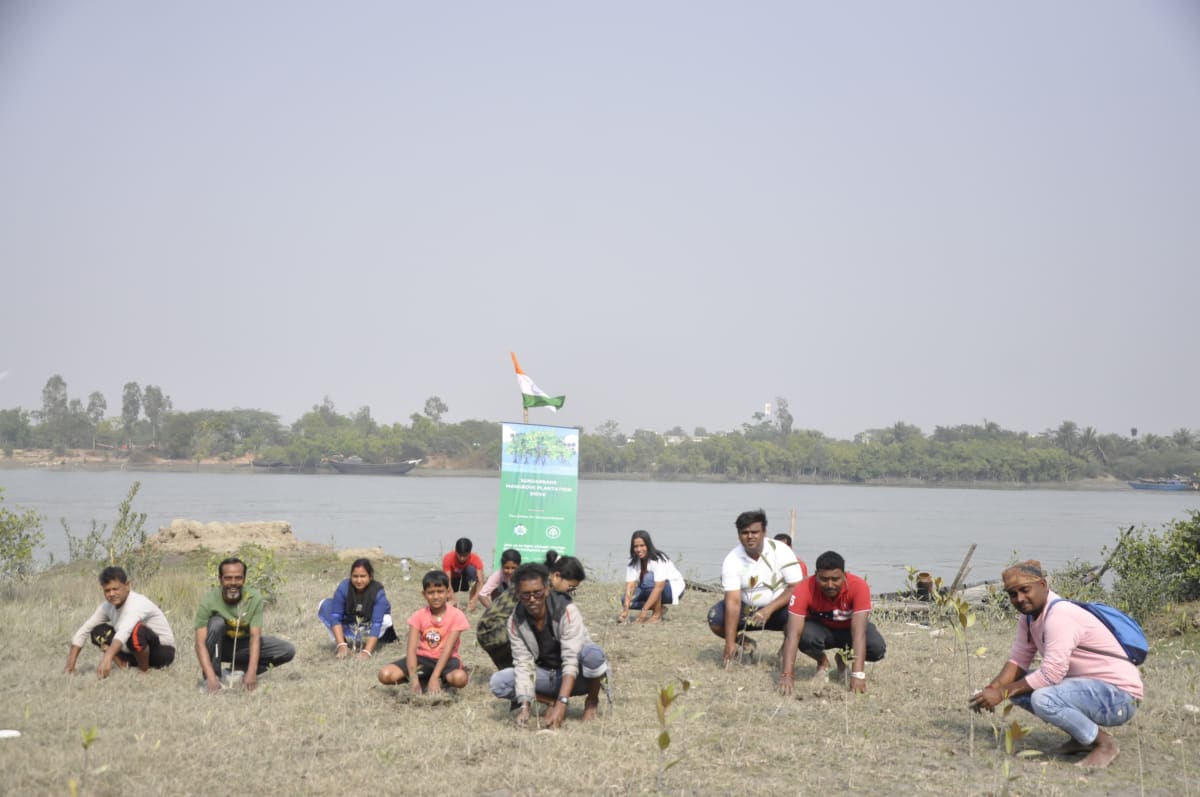
Native afforestation and Miyawaki forest execution for suitable urban and institutional sites.
-
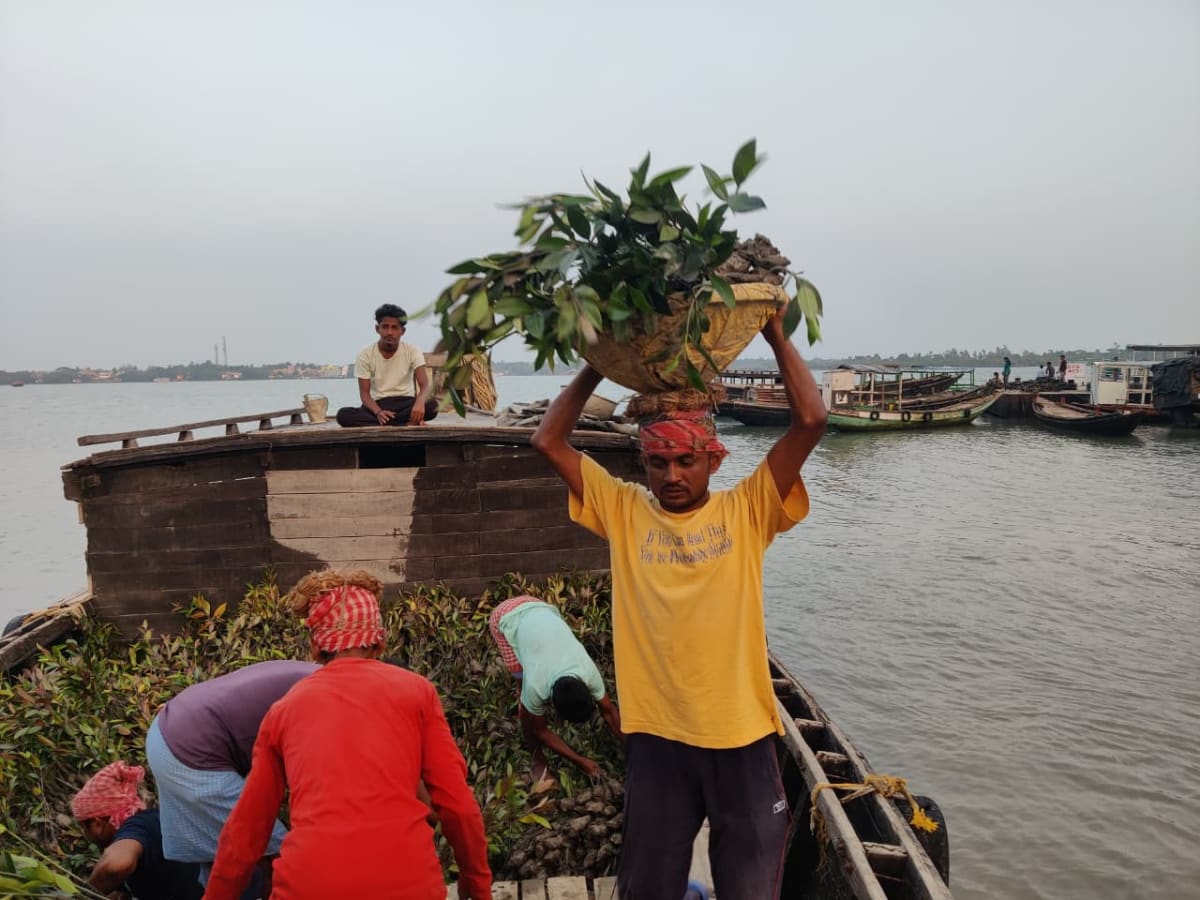
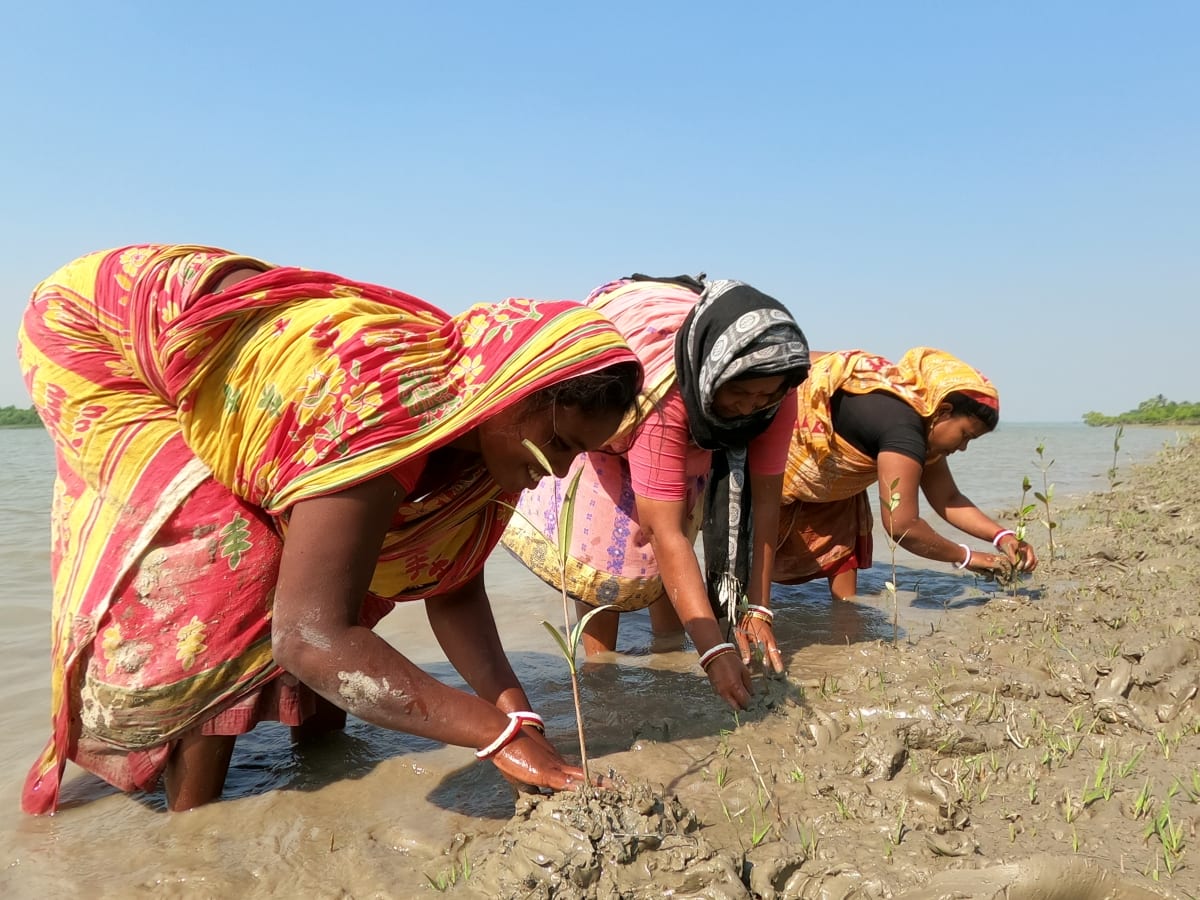
Mangrove restoration and native mangrove sapling supply linked to the Sundarbans and coastal restoration work.
-
Agroforestry design and field implementation with farmer-led planning in West Bengal.
-
Access to project-site and land collaboration opportunities that can be matched to the objective, subject to site suitability and availability.
-
Maintenance and stewardship planning so the programme continues after planting day.
-
AI-supported digital MRV for projects where location-linked evidence, multi-site monitoring and auditability matter.
-
Eastern India field knowledge across urban, coastal and rural restoration contexts.
Backyard Botanist's public project portfolio includes 65,000+ native saplings planted, more than 10 million mangrove saplings across coastal restoration work, and a 5,000-sapling agroforestry programme across 100+ farmer landholdings in West Bengal. The value of those numbers is not the numbers alone. They represent experience across three very different restoration environments.
Monitoring makes the project easier to trust
Environmental projects become harder to manage as the number of sites, landholders and monitoring points increases. A spreadsheet may be enough for a simple site. It becomes less reliable for a distributed agroforestry programme or multiple patches of coastal restoration.
Backyard Botanist's dMRV approach links field observations with location and time data and can support spatial monitoring where appropriate. The goal is not to replace field teams. It is to create a clearer evidence trail for survival, site progress and other agreed indicators.
For a corporate partner, that strengthens the connection between what was funded, what happened on the ground and what can be reported later.
Related reading: How We Verify Our Restoration Sites With AI-Based dMRV
A practical collaboration model for corporate CSR teams
The easiest way to start is with a short project brief. It can be as simple as the environmental objective, preferred geography, approximate budget range, desired timeline and whether community or employee engagement is part of the programme.
Backyard Botanist can then assess the opportunity, match the objective with suitable land or project sites, recommend the restoration model and scope the implementation and monitoring requirement.
This makes environmental CSR easier to buy and easier to execute. The corporate partner keeps visibility on the objective, approvals and reporting. Backyard Botanist takes responsibility for translating that intent into field work and measurable project evidence.
Explore our ecosystem restoration services or learn more about Backyard Botanist.
Environmental CSR works best when the project is designed for year three, not only day one
A launch event can create visibility, but the project earns its value over time. Trees establish, mangrove sites respond to tidal conditions, farm systems adapt and monitoring begins to show whether the intervention is moving in the right direction.
That is why the strongest environmental CSR projects combine science, suitable land, implementation, maintenance and measurement from the beginning.
For companies looking for an environmental CSR implementation partner in India, the objective should be straightforward: choose a project that fits the landscape and work with a team that can stay accountable for what happens after the first planting day.
Backyard Botanist is built for that role - from available project land and ecological design to field delivery, stewardship and MRV.