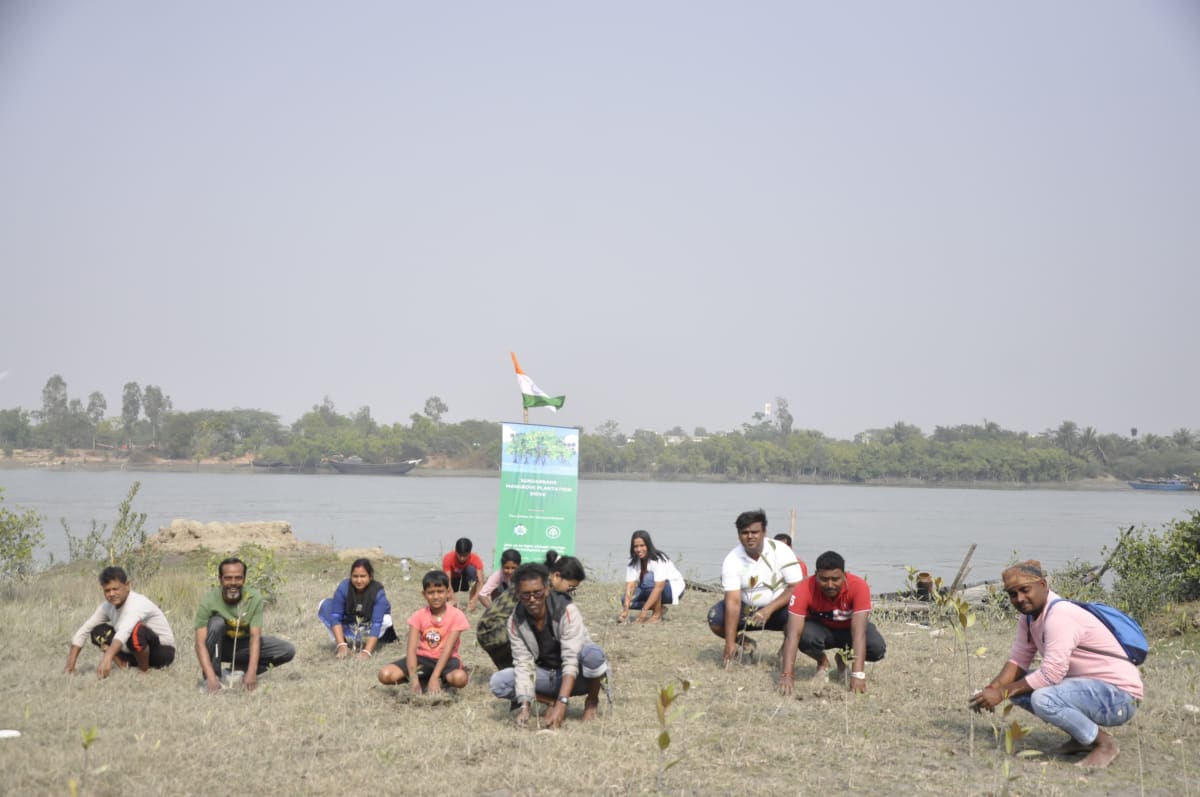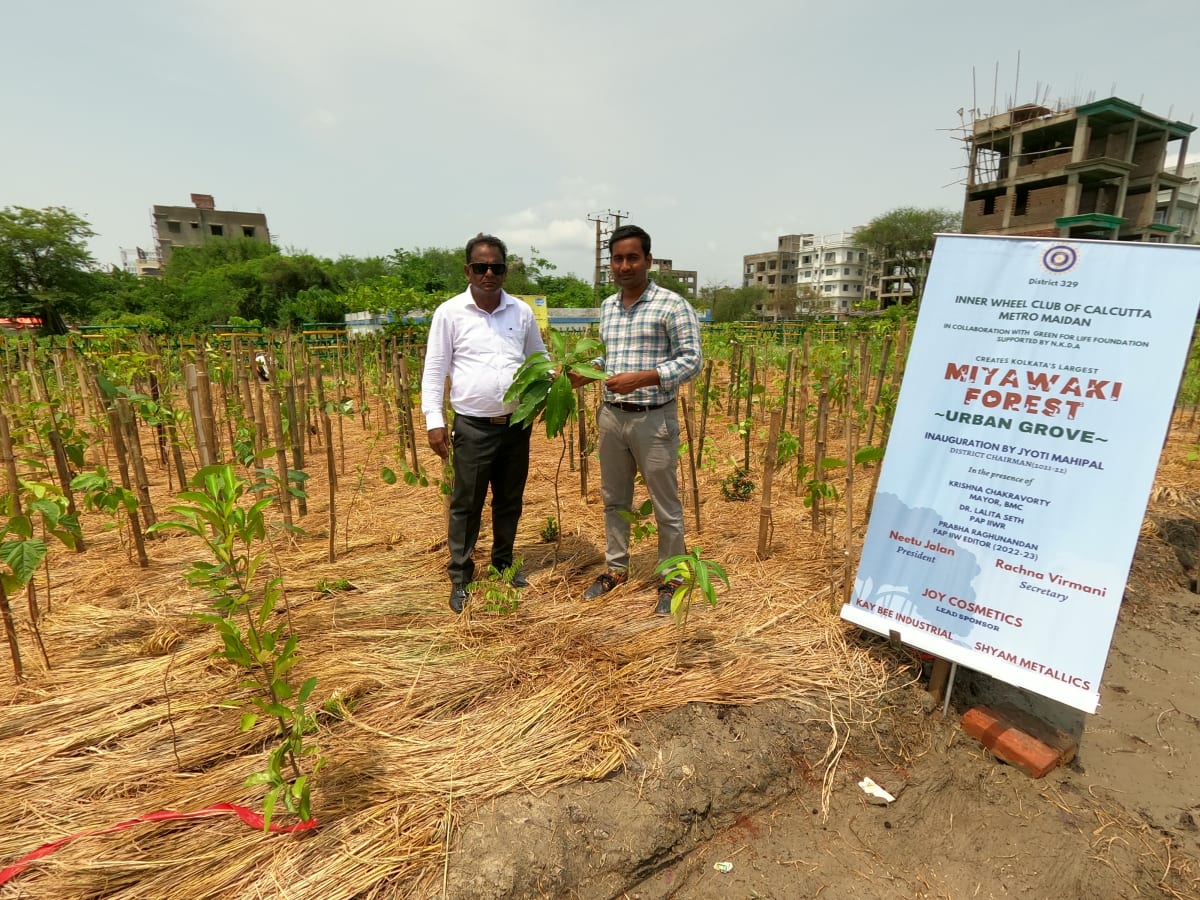
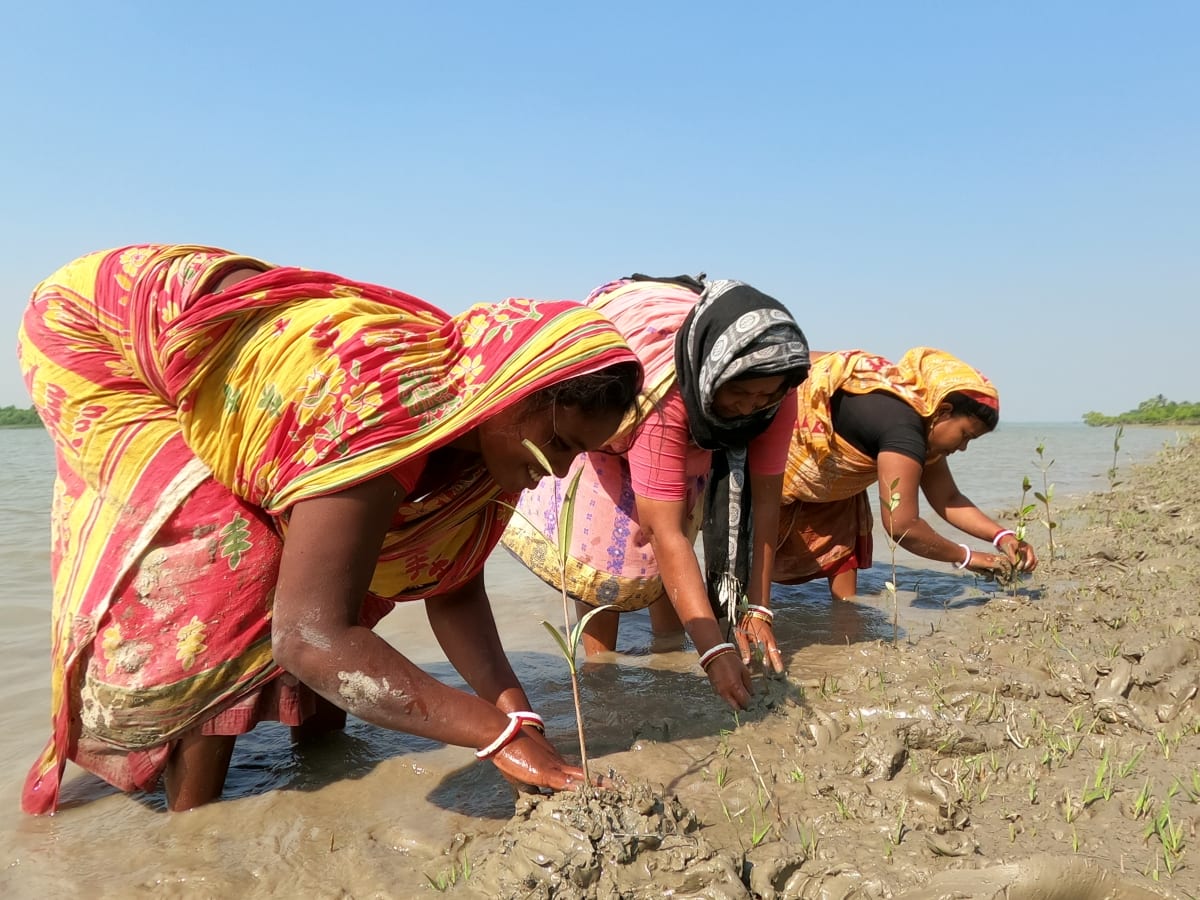
Plantation is often the first word that comes to mind when companies plan an environmental CSR project. It is visible, easy to communicate and relatively simple to count. A project can be presented through the number of saplings planted, the number of volunteers involved and the number of photographs captured on the day.
Restoration asks a different set of questions. What condition is the land in? What ecological functions have been weakened? Which native species can return? What is preventing natural regeneration? Who will care for the site after planting? How will the company know whether the landscape is improving?
The distinction matters because planting trees and restoring an ecosystem are not the same activity. Plantation may be one intervention within a restoration programme, but it cannot represent the entire programme on its own.
Why the distinction matters for corporate CSR teams
A plantation drive usually begins with a target: a certain number of saplings, a date, a location and a budget. A restoration programme begins with a site: its ecological condition, pressures, opportunities and long term requirements.
Neither approach is automatically appropriate in every situation. A degraded urban patch may need native planting and soil preparation. A farm landscape may need agroforestry planning rather than a dense block of trees. A coastal site may require attention to tidal movement before any planting is considered. In another location, protecting existing natural regeneration may create more value than adding new saplings.
The practical question is therefore not whether plantation is useful. It is whether plantation is the right intervention for the condition of the land and the outcome the company wants to support.
What a plantation only plan may overlook
A plantation focused plan can move quickly from land availability to sapling numbers. That creates a risk: the project may be designed around what can be counted rather than what the site needs.
For example, compacted soil may limit root development. Seasonal waterlogging may make a selected species unsuitable. Grazing may damage young plants. A public site may experience repeated trampling. In coastal landscapes, altered water movement may matter more than the number of mangrove propagules introduced.
These are not minor implementation details. They determine whether the intervention can establish and whether the project creates a lasting ecological outcome.
Restoration begins with diagnosis
A restoration programme starts by understanding the site before deciding the intervention. This does not always require an elaborate scientific study, but it does require more than a photograph and an available area figure.
A useful site assessment considers existing vegetation, soil condition, water availability, seasonal changes, land use, disturbance, invasive growth, grazing pressure and the presence of natural regeneration. It also considers the intended future use of the land. A site used by farmers, schools, local residents or fishing communities cannot be planned as though it were empty.
The assessment helps answer a basic question: what needs to change for this landscape to function better, and what role can planting play in that change?
Related reading: How to choose the right land for an environmental CSR project
A more useful way to compare the two
| Site condition | What a plantation only plan may overlook | What a restoration programme investigates |
|---|---|---|
| Native regeneration already present | Existing growth may be cleared or ignored to create a uniform plantation area. | Which natural regeneration should be protected, assisted or enriched. |
| Compacted or depleted soil | Saplings may be planted without addressing poor root conditions. | Soil preparation, organic matter, water retention and establishment needs. |
| Land used for farming | Tree placement may interfere with crops, access or farm income. | Crop compatibility, farmer participation and long term land use. |
| Altered tidal or water movement | Planting may proceed even when hydrology is unsuitable. | Water flow, seasonal conditions and the causes of ecological decline. |
| Heavy public disturbance | Saplings may be damaged by trampling, grazing or repeated use. | Protection, access planning, stewardship and maintenance responsibility. |
Restoration does not always mean planting more
One of the most important differences is that restoration is not measured only by the amount of planting completed. In some locations, the most appropriate action may be to protect existing vegetation, remove a pressure, improve water movement, control invasive species or support natural regeneration.
Planting may still be necessary, but it should respond to the site rather than replace site diagnosis. This is particularly important when a project is being implemented across different landscapes. A single plantation template may be easy to administer, but it may not be ecologically appropriate across urban land, agricultural land, wetlands and coastal areas.
What outcome should the CSR project be designed around?
The project objective should guide the intervention. If the objective is urban biodiversity, the design may prioritise native species diversity, canopy development, soil preparation and protection from disturbance. If the objective is farmer livelihood support, the project must consider crop compatibility, landholder participation and the practical value of selected species. If the objective is coastal resilience, hydrology, tidal suitability and local stewardship become central.
This is why a strong CSR brief should describe the intended outcome before specifying the number of saplings.
Compare the models: Miyawaki vs mangroves vs agroforestry: which CSR model fits your objective?
How Backyard Botanist approaches the difference
Backyard Botanist treats plantation as one possible field activity within a broader environmental project. The work begins with understanding the landscape, defining the objective and assessing what the site can realistically support.
Depending on the project, this can include site assessment, ecological design, native planting material, soil and site preparation, implementation, maintenance, monitoring and impact reporting. The exact intervention depends on site suitability and the requirements of the landscape.
This approach also makes the project easier for corporate teams to evaluate. Instead of receiving only a planting count, the company can understand why the site was selected, what was done, what risks were identified and how progress will be tracked.
See this approach in practice in our Miyawaki forests guide and our farmer-led agroforestry project with SayTrees. Explore our ecosystem restoration services or learn more about Backyard Botanist.
Monitoring changes the conversation
Plantation reporting often ends with photographs and a final count. Restoration reporting needs to continue beyond the planting date. Survival, growth, natural regeneration, disturbance, maintenance requirements and site condition provide a more useful picture of progress.
Monitoring does not mean that every project must use the same technology or produce unnecessarily complex reports. It means that the evidence should match the project objective. Location records, field observations, repeat photographs, survival assessments and GIS based documentation can all contribute when used appropriately.
For companies, this creates a clearer connection between expenditure and outcome. It also makes it easier to identify where corrective action is needed.
How we monitor: How we verify restoration sites with AI-based dMRV
A practical framework for approving an environmental CSR project
Before approving a plantation or restoration proposal, corporate teams can ask five questions.
First, what is the ecological or social problem being addressed? Second, why is this intervention suitable for the site? Third, what needs to happen after planting? Fourth, what evidence will demonstrate progress? Fifth, who is responsible for implementation, maintenance and reporting?
These questions do not make a project unnecessarily complicated. They reduce the risk of funding an activity that is disconnected from the landscape.
The right comparison is not plantation versus restoration
The more useful comparison is activity versus outcome. Plantation can create an important starting point, especially when native species, suitable land and post planting care are in place. Restoration provides the wider framework for deciding whether planting is needed, what it should achieve and how the landscape will be supported over time.
For CSR teams, this distinction improves project design, budgeting, monitoring and communication. It also creates a more credible basis for explaining environmental impact to internal leadership, boards and external stakeholders.
Plan for the landscape, not only the planting day
An environmental CSR project becomes more meaningful when planting is treated as one part of a longer process. The objective, site condition, ecological design, community context, maintenance plan and monitoring system should work together.
If your company is planning an environmental CSR project, Backyard Botanist can help assess the landscape, identify a suitable intervention and build an implementation and monitoring plan around the intended outcome.