Environmental CSR budgets are often discussed in terms of how many saplings can be planted within a fixed amount. That approach makes the initial activity easy to price, but it can hide the costs that determine whether the project establishes, survives and produces measurable environmental value.
A credible environmental CSR budget should account for the full project lifecycle. Depending on the landscape, that may include site assessment, land coordination, ecological design, native planting material, soil or site preparation, field implementation, protection, maintenance, monitoring, reporting and community participation.
The right allocation will differ between an urban native forest, a mangrove restoration programme and an agroforestry project. A company should therefore avoid comparing proposals only on cost per sapling. The more useful question is what the budget is purchasing, what risks it addresses and what evidence the company will receive in return.
Why the lowest plantation quote may not be the lowest project cost
A low initial quote may exclude maintenance, replacement planting, site preparation or monitoring. Those exclusions can create additional costs later, or leave the company with a project that is difficult to defend when survival and outcomes are reviewed.
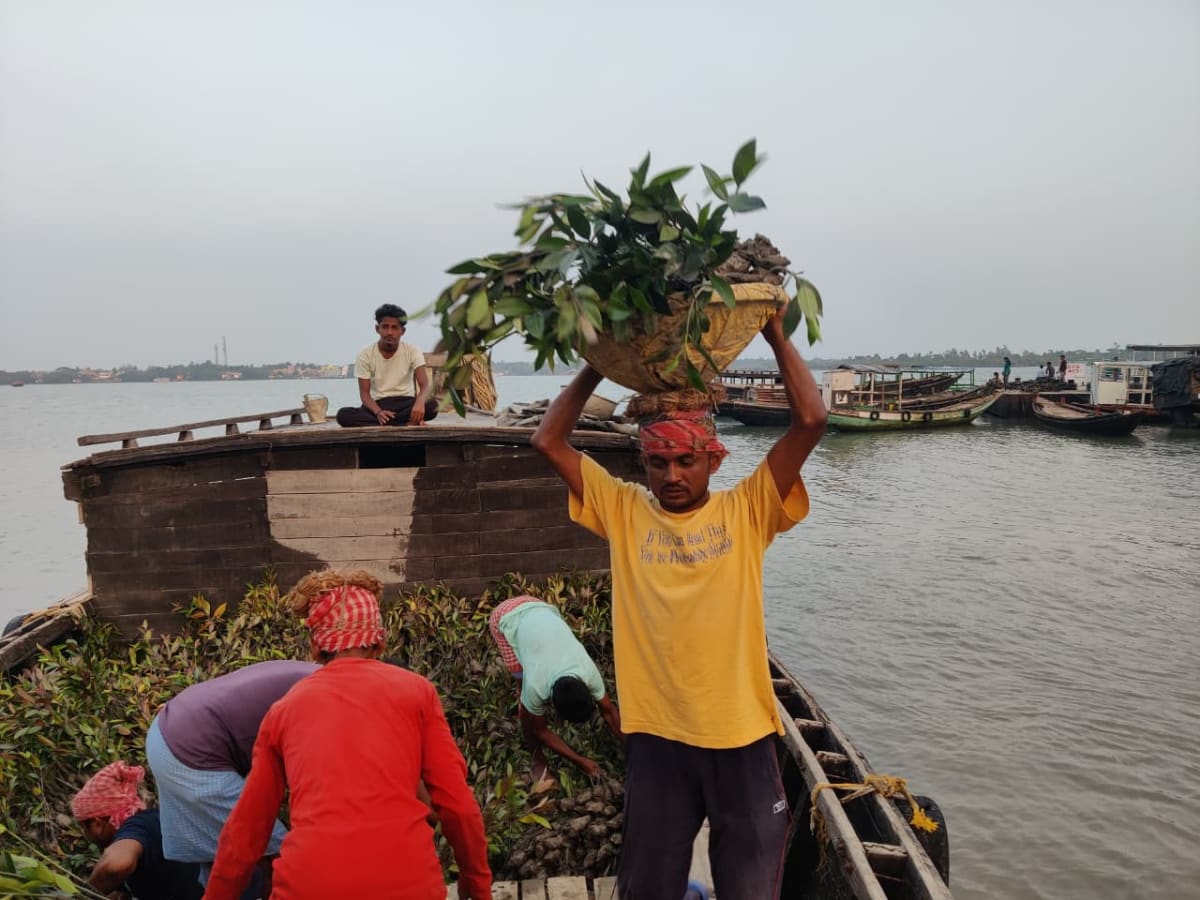
For example, a site with compacted soil may require preparation before planting. A coastal restoration project may require hydrological assessment and site-specific planning. A farmer-led agroforestry programme may need farm-wise coordination rather than one standard planting layout. These requirements affect the budget because they affect the work needed to make the intervention viable.
| Budget question | Why it matters | What a corporate team should ask |
|---|---|---|
| What is included before planting? | Site constraints can determine project feasibility | Are assessment, land coordination and design included? |
| What happens after planting? | Early establishment often requires active care | How long are maintenance and gap filling covered? |
| How is the project monitored? | Activity counts do not show ecological progress | What site records, field visits or spatial evidence will be provided? |
| Who coordinates local stakeholders? | Access, land use and stewardship affect delivery | Is community or landholder coordination part of the scope? |
| What is excluded? | Exclusions can become later cost or delivery risks | Are protection, watering, replacement and reporting clearly defined? |
Start with the environmental objective, not the unit price
Budget planning becomes clearer when the company first defines the outcome it wants to support. A project intended to improve urban biodiversity may require a different cost structure from one designed around farmer livelihoods or coastal ecosystem recovery.
| CSR objective | Likely cost priorities | Budget risk if overlooked |
|---|---|---|
| Urban native forest | Site preparation, native species mix, planting density, watering, protection and maintenance | Poor establishment or high replacement needs |
| Mangrove restoration | Site assessment, hydrology, suitable planting material, access, local coordination and monitoring | Planting in unsuitable conditions or weak recovery |
| Agroforestry | Farm-wise planning, farmer coordination, species suitability, planting support and follow-up | Low adoption or trees that conflict with farm use |
| Multi-site restoration | Coordination, GIS records, standardised monitoring, travel and site-wise reporting | Inconsistent evidence and difficult programme management |
| Awareness and employee engagement | Facilitation, safety, logistics and communication | Event visibility without meaningful ecological contribution |
Compare the models: Miyawaki vs mangroves vs agroforestry: which CSR model fits your objective?
A practical environmental CSR budget structure
A useful budget is divided into work packages rather than presenting one unexplained plantation rate. The exact percentages will vary by project, but the categories should be visible so the corporate team can understand what is being funded.
| Budget component | What it can cover | Questions for approval |
|---|---|---|
| Assessment and design | Site assessment, baseline, ecological planning and technical design | Is the intervention suitable for the site? |
| Land and coordination | Site access, landholder coordination and local permissions where applicable | Is land availability confirmed and responsibilities clear? |
| Planting material | Native saplings, nursery coordination and transport | Are species appropriate and planting material traceable? |
| Site preparation | Soil work, hydrological preparation or other enabling work | What must happen before planting can succeed? |
| Implementation | Field labour, tools, logistics and planting operations | Who is accountable for delivery quality? |
| Protection and maintenance | Watering, guarding, weeding, gap filling and follow-up | How long is establishment support included? |
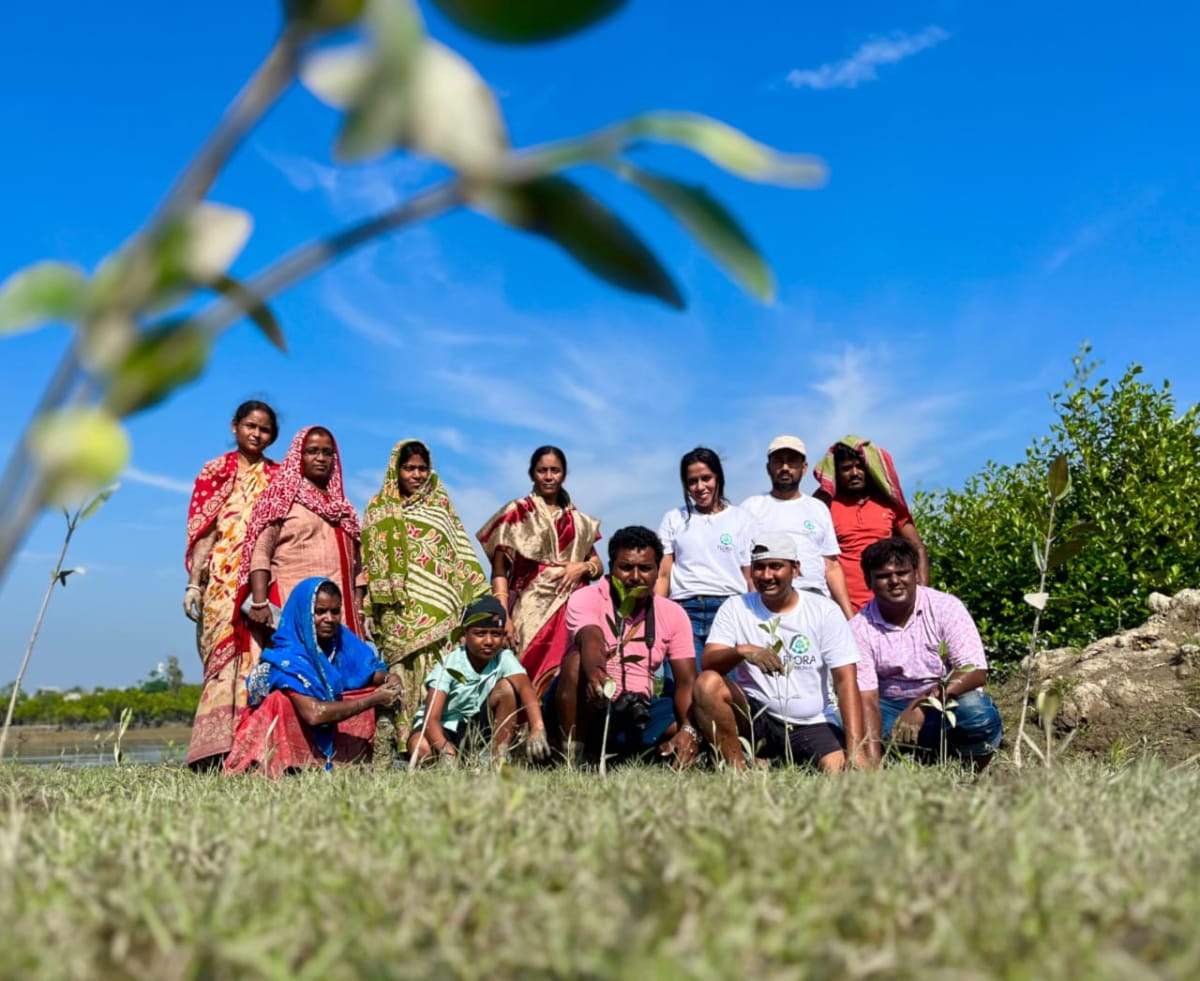
| Community participation | Consultation, training, coordination and stewardship support | What role will local stakeholders play? |
| Monitoring and reporting | Field visits, geospatial records, photographs, dashboards and reporting | What evidence will the company receive and when? |
| Contingency | Reasonable provision for site-specific uncertainty | What risks justify a contingency allocation? |
Maintenance should not be treated as an optional add-on
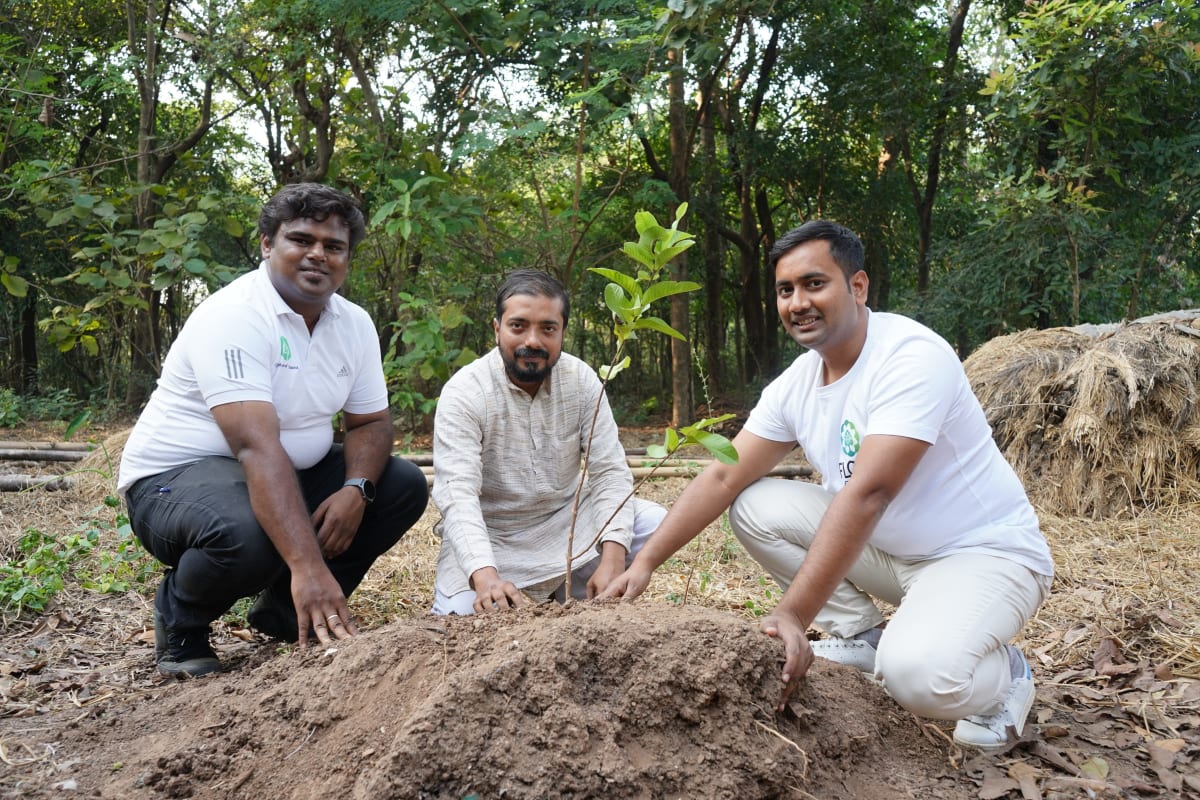
Planting is a visible milestone, which is why budgets often give it disproportionate attention. Maintenance is less visible but can be critical during establishment. Water stress, grazing, competition from weeds, damage and seasonal conditions can affect survival after the launch event.
A responsible proposal should state the maintenance period, frequency of visits, expected activities and approach to replacement planting. It should also explain what happens if the site requires a change in approach because conditions differ from the original assumption.
For corporate teams, the key is to compare maintenance scopes rather than simply asking whether maintenance is included. Two proposals may both use the word ‘maintenance’ while covering very different levels of field support.
Monitoring and reporting need a defined budget
Monitoring is often added at the end of a proposal, even though evidence collection should be designed from the beginning. If the company wants site-wise progress, survival information, geospatial records or multi-year reporting, those requirements need time, people and systems.
Backyard Botanist’s AI-supported dMRV approach can support location-linked field evidence and monitoring where appropriate. The budget should still distinguish between field ecology, data collection, verification and reporting. Technology can improve traceability, but it does not remove the need for suitable field work.
How we monitor: How we verify restoration sites with AI-based dMRV
How to compare two environmental CSR proposals
A proposal comparison should normalise scope before comparing prices. A lower quote may cover fewer sites, fewer maintenance visits, a shorter reporting period or no baseline assessment. A higher quote may include work that is necessary for the intended outcome.
| Comparison area | Proposal A | Proposal B | What to verify |
|---|---|---|---|
| Number and type of sites | Are the landscapes comparable? | ||
| Site assessment and design | Included or excluded? | ||
| Native planting material | Species, quantity and sourcing | ||
| Implementation scope | Labour, logistics and quality control | ||
| Maintenance period | Duration, frequency and activities | ||
| Replacement planting | Included conditions and limits | ||
| Community coordination | Defined responsibilities | ||
| Monitoring and reporting | Indicators, frequency and evidence | ||
| Total project cost | Compare after scope is aligned |
Related reading: How to evaluate an environmental CSR implementation partner
A transparent budget makes the project easier to manage
Budget transparency is not only useful before approval. It continues to matter during implementation. When the project is divided into clear work packages, the corporate team can understand what has been completed, what is pending and where a change in conditions may affect delivery.
It also improves conversations with the implementation partner. Instead of negotiating only on the headline price, the company can discuss whether the maintenance period is sufficient, whether monitoring matches reporting needs or whether the proposed site preparation is appropriate.
Questions procurement and finance teams should ask
-
Does the proposal define the environmental objective clearly?
-
Are the site, land access and landscape assumptions documented?
-
Are assessment and ecological design included in the quoted amount?
-
Are species, planting quantities and sourcing arrangements specified?
-
Does the implementation rate include labour, transport, tools and supervision?
-
How long are protection and maintenance activities covered?
-
Are replacement planting and corrective work explained?
-
Are community coordination and landholder responsibilities defined?
-
Is monitoring included, and what evidence will be delivered?
-
Are taxes, travel, exclusions and contingency clearly stated?
-
Is the payment schedule linked to agreed deliverables?
-
Can the proposal be compared fairly with other bids on an equivalent scope?
Payment milestones should follow meaningful deliverables
Payment schedules can also influence project quality. If most of the payment is tied only to the planting event, the commercial structure may unintentionally prioritise completion of the visible activity over establishment and follow-up.
Depending on the project, milestones may be linked to approved design, site preparation, planting completion, maintenance periods, monitoring submissions or agreed reporting outputs. The right structure will depend on the scope and contract, but the principle is consistent: payments should reflect the work the company actually wants delivered.
| Milestone | Possible evidence | Why it matters |
|---|---|---|
| Approved project design | Site plan, species approach, implementation scope and indicators | Confirms that the intervention is defined before field execution |
| Site preparation completed | Field records and photographs | Shows that enabling work was undertaken |
| Planting completed | Site-wise planting records and field evidence | Confirms delivery without treating planting as the final outcome |
| Maintenance milestone | Maintenance logs, observations and replacement records | Shows continued attention during establishment |
| Monitoring submission | Field data, geospatial records or agreed progress report | Connects expenditure with measurable project progress |
Ask what happens if the site does not behave as expected
Environmental projects are affected by living systems and changing conditions. Rainfall may be lower than expected. Water availability may change. Grazing pressure may increase. A site may reveal soil constraints after preparation begins. A farmer may need a different planting arrangement because of crop cycles or available space.
A responsible budget should identify the major assumptions behind the estimate and explain how changes will be handled. This does not mean every project needs a large contingency. It means the company should understand which risks have been considered, which costs are fixed and which activities may require adjustment.
Contingency is most useful when it is linked to defined risks and governed through clear reporting. The implementation partner should be able to explain when additional expenditure is required, why it is necessary and how it affects the approved scope.
Separate ecological expenditure from event expenditure
Employee engagement and public visibility can be useful parts of an environmental CSR programme. However, the budget should distinguish between expenditure that supports ecological outcomes and expenditure that supports an event or communication objective.
Transporting employees to a site, arranging safety equipment, preparing signage or documenting a launch may be appropriate when employee participation is part of the approved objective. These costs should not be allowed to obscure whether adequate funds remain for site preparation, maintenance, protection and monitoring.
A transparent budget can show event and engagement costs as a separate line or work package. This allows the company to decide consciously how much of the programme is intended for employee participation, public communication and awareness, and how much is intended for restoration delivery.
Budgeting across the full project lifecycle
Environmental CSR budgets should show not only what the project will cost, but also when the work will happen. Assessment and design may take place several weeks before planting. Procurement and field implementation may be concentrated within a seasonal window. Maintenance, monitoring and reporting may continue long after the public launch has ended.
This timing is important for corporate finance, procurement and CSR teams because a project can have different types of expenditure at different stages. Some costs are one time. Others recur throughout the establishment period. A budget that combines everything into one plantation rate makes it difficult to understand the actual delivery commitment.
| Project stage | Likely expenditure areas | What should be confirmed |
|---|---|---|
| Assessment and feasibility | Site visits, baseline documentation, land and stakeholder discussions | Whether the proposed site can support the intended intervention |
| Design and preparation | Ecological planning, soil work, hydrological preparation, layouts and logistics | Which technical requirements must be completed before planting |
| Implementation | Planting material, transport, labour, tools and field supervision | Who is responsible for delivery quality and documentation |
| Establishment | Watering, protection, weeding, maintenance and replacement planting | How long support continues and what activities are included |
| Monitoring and reporting | Field visits, data collection, photographs, GIS records and reports | What evidence will be supplied and at what intervals |
Budget for the outcome you need to report
The most useful environmental CSR budget is not necessarily the one with the largest planting number or the lowest headline price. It is the one that connects expenditure to a realistic ecological objective and makes the required work visible.
For companies, that means approving budgets around land suitability, ecological design, implementation quality, maintenance, stakeholder coordination and measurable evidence. A project designed only for launch-day visibility may be inexpensive on paper but weak in long-term value.
Backyard Botanist can help corporate partners translate an environmental objective into a scoped programme, including suitable landscapes, native planting material, field implementation, maintenance, community participation and monitoring. The final budget should reflect the actual requirements of the site rather than a generic plantation package.
For environmental CSR, the most responsible budget is the one that makes the full delivery requirement visible. It should help the company fund a project that can be implemented properly, maintained realistically and measured honestly.
Explore our ecosystem restoration services or learn more about Backyard Botanist.