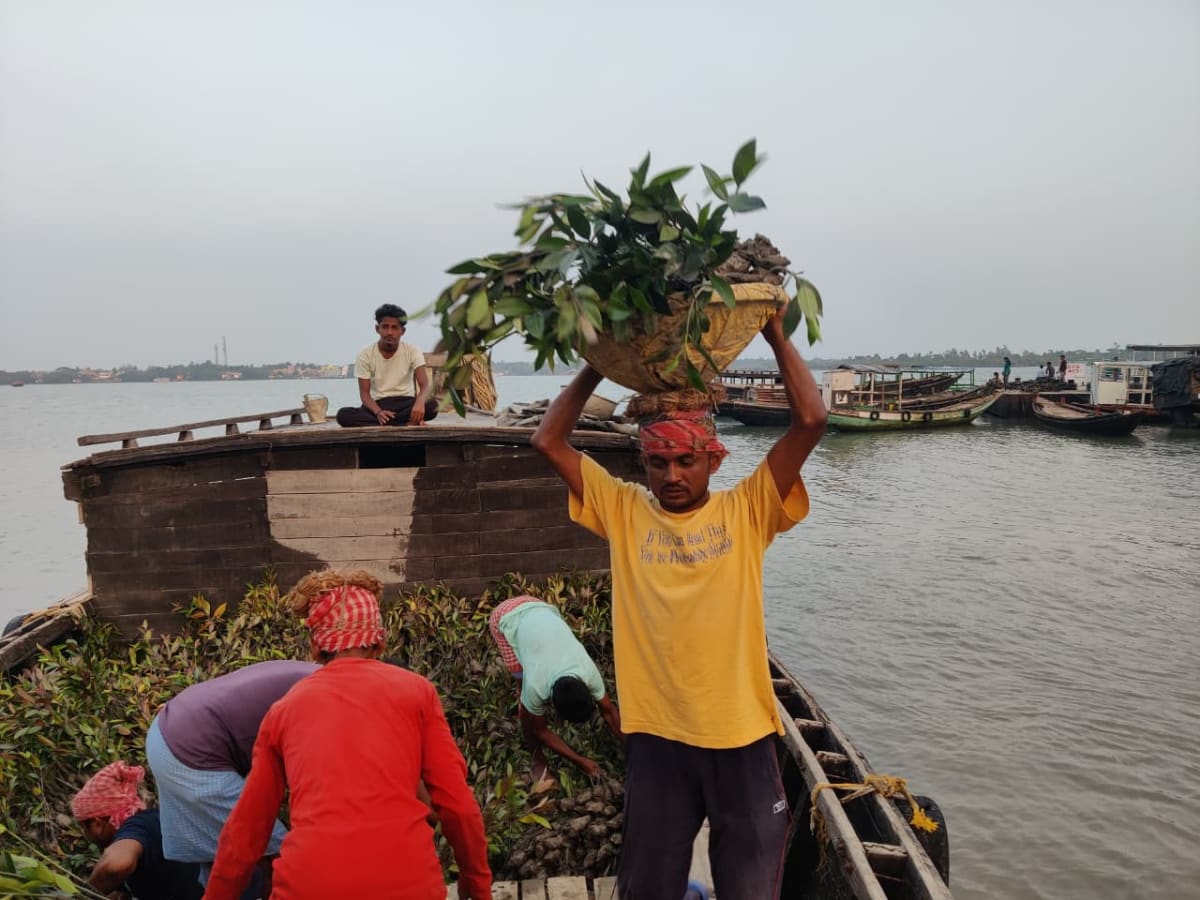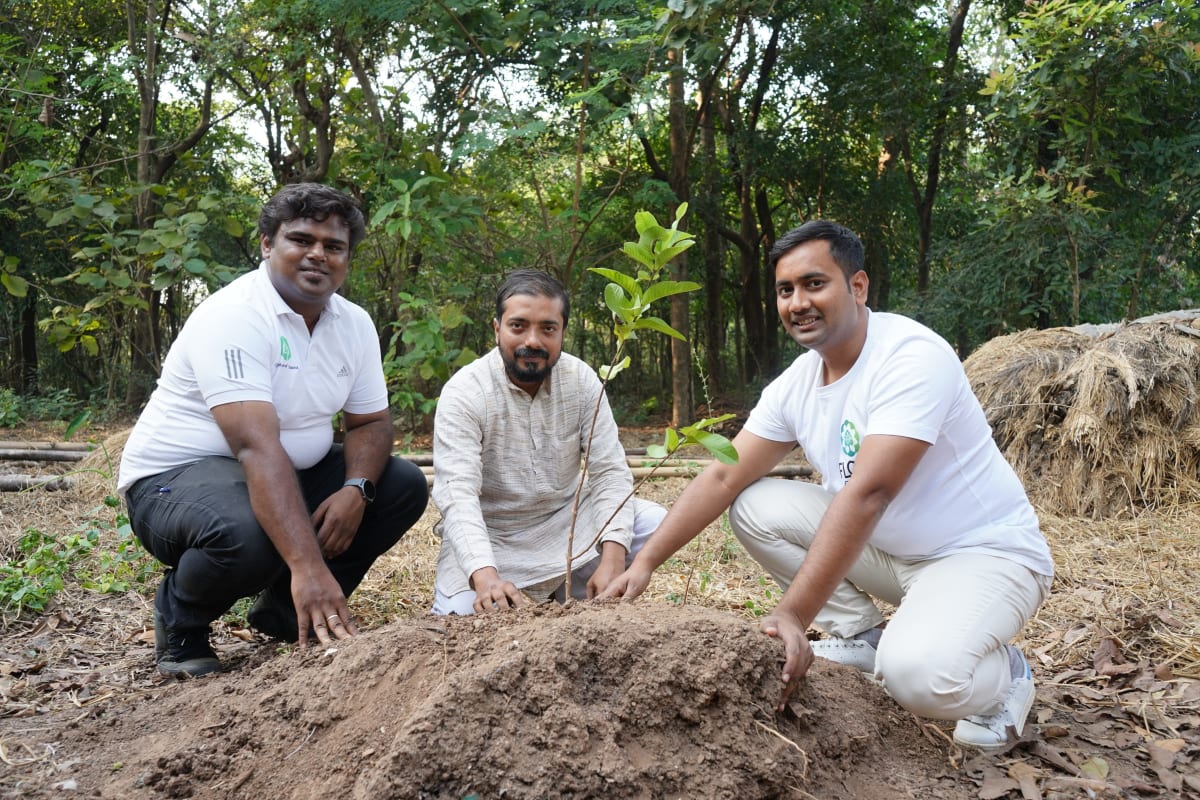
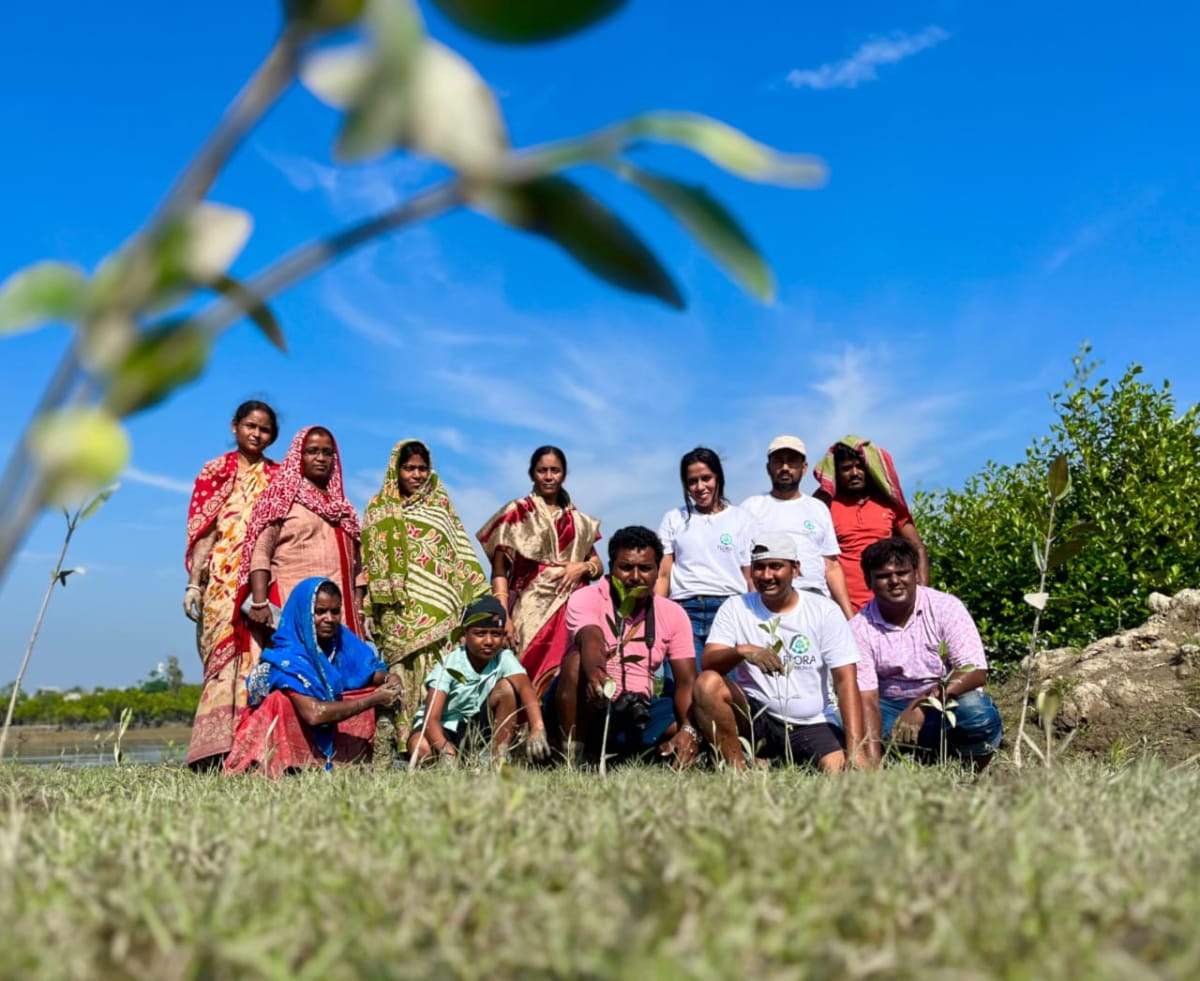
Community participation is often included in environmental CSR proposals as an engagement activity. In practice, it can determine whether a project is maintained, accepted and useful after the implementation team leaves.
A plantation site may be technically well designed, but local people still influence access, protection, watering, grazing, harvesting, land use and long-term stewardship. In rural landscapes, farmers decide whether trees fit their livelihoods. In coastal areas, communities often understand seasonal water movement, resource use and site constraints better than an outside team. In urban projects, institutions, workers, residents and local caretakers affect how a site is used and maintained.
For companies planning environmental CSR projects in India, participation should therefore be treated as part of project design rather than a separate volunteering component. The question is not simply how many people attended a plantation day. It is whether the people connected to the landscape understand the intervention, have a practical role in it and see a reason to support it over time.
What community participation should achieve
The purpose of community participation differs by landscape. A farmer-led agroforestry programme may need agreement on species, spacing, crop compatibility and future use. A mangrove restoration programme may need local knowledge of tidal conditions, access routes and resource dependence. An urban native forest may need coordination with school staff, municipal teams, security personnel or institutional maintenance workers.
| Project context | What participation should help solve | Useful evidence |
|---|---|---|
| Farmer-led agroforestry | Tree selection, farm compatibility, maintenance responsibility and long-term usability | Farmer agreements, farm plans, follow-up records |
| Mangrove restoration | Site access, local ecological knowledge, protection and stewardship | Community consultations, site records, stewardship arrangements |
| Urban or institutional forest | Watering, protection, access management and maintenance coordination | Caretaker roles, maintenance logs, site observations |
| Village or landscape restoration | Local acceptance, land-use coordination and shared responsibility | Meeting records, role allocation, repeat participation |
Participation begins before planting
A common mistake is to involve communities only after the project model, species list and timeline have already been fixed. At that stage, participation becomes an announcement rather than a design input.
Early engagement should help the implementation team understand who uses the land, who controls access, who may be affected by the intervention and who can support maintenance. It should also identify practical concerns. Will the trees interfere with crops? Who will water them during the first summer? Could grazing damage the site? Does the proposed location have competing community uses? Are there seasonal periods when field activity is difficult?
These questions are operational, not ceremonial. Resolving them early can reduce avoidable damage, resistance and maintenance gaps.
Different communities require different participation models
There is no single community engagement format that works across every environmental CSR project. A one-day volunteer event may be appropriate for awareness and visibility, but it is rarely sufficient for a long-term restoration programme.
| Participation model | Where it can be useful | What it cannot replace |
|---|---|---|
| Consultation before design | Understanding land use, local constraints and community priorities | Technical ecological assessment |
| Farmer-led planning | Agroforestry and productive rural landscapes | Formal agronomic and site planning |
| Local stewardship roles | Protection, watering, monitoring and maintenance | A funded maintenance plan |
| Volunteer plantation day | Awareness, employee participation and public visibility | Long-term survival and restoration management |
| Community monitoring | Reporting damage, changes and local observations | Professional ecological monitoring where required |
| Training and demonstrations | Building practical knowledge around planting and care | Ongoing accountability from the implementing partner |
Project example: Agroforestry in West Bengal with SayTrees
Community participation is not the same as attendance
Attendance is easy to count. Meaningful participation is harder to measure because it concerns responsibility and continuity.
A project may report that 200 community members attended a plantation event. That number says little about whether the site was protected, whether farmers accepted the species, whether watering continued or whether local stakeholders understood the purpose of the intervention.
A stronger reporting framework separates participation activity from participation value.
| Activity metric | More useful outcome question |
|---|---|
| Number of people attending | Who remains involved after the event? |
| Number of awareness sessions | What practical decisions changed because of the sessions? |
| Number of volunteers | What work did volunteers complete, and what still requires trained staff? |
| Number of community meetings | Were land-use concerns resolved and responsibilities agreed? |
| Number of local participants | Are local people involved in protection, monitoring or maintenance? |
Designing clear local roles
Participation becomes more reliable when responsibilities are specific. ‘Community support’ is too broad to manage. A project should identify who is expected to do what, during which period and with what support.
For example, a farmer may be responsible for routine observation and reporting damage, while the implementation partner provides technical guidance, replacement planting material and scheduled monitoring. A local caretaker may support watering and protection at an urban site, while the company funds the maintenance scope. A community group near a mangrove site may assist with access coordination and local observations, while ecological decisions remain with the restoration team.
Clear roles also prevent the company from assuming that community participation means unpaid labour for every project activity. Participation should be practical, respectful and appropriate to the local context.
What corporate teams should include in the project brief
-
Identify the stakeholder groups connected to the land.
-
State whether participation is consultative, operational, educational or stewardship-based.
-
Define the roles expected from community members and the implementation partner.
-
Include training, communication and maintenance requirements in the budget.
-
Decide how participation and stewardship will be documented.
-
Review whether the engagement model is appropriate for the landscape and local context.
How Backyard Botanist can structure participation
Backyard Botanist approaches community participation as part of ecological execution. The exact model depends on the landscape, landholder structure, project objective and agreed scope.
In agroforestry, this can mean planning with farmers so that species and spacing work within existing agricultural systems. In restoration landscapes, it can involve understanding local conditions, coordinating access and building practical stewardship arrangements. In urban and institutional projects, it can mean identifying the people responsible for day-to-day site care and ensuring that maintenance expectations are realistic.
The value of an implementation partner is that participation is connected to the actual project rather than handled as a standalone event. The team can link community roles with site design, planting, maintenance, monitoring and reporting.
Explore our ecosystem restoration services or learn more about Backyard Botanist.
Monitoring community participation over time
Community engagement should be reviewed alongside ecological progress. Useful indicators may include the number of active landholders, continuity of participation, maintenance completion, damage reporting, attendance at follow-up meetings and documented resolution of site-level concerns.
Not every project needs a large social-impact dashboard. The indicators should reflect the role communities actually play. A small urban site may need a maintenance responsibility log. A distributed agroforestry programme may need farm-wise records. A coastal project may need recurring local observations and stewardship documentation.
The purpose is not to turn participation into a popularity contest. It is to show whether the social arrangements supporting the ecological intervention are functioning.
How we monitor: How we verify restoration sites with AI-based dMRV
The strongest projects treat communities as long-term stakeholders
Environmental CSR becomes more durable when local people are considered part of the landscape system rather than an audience for the launch event. Their knowledge can improve site decisions. Their participation can support protection and maintenance. Their continued involvement can also reveal problems earlier than periodic external visits.
For companies, this means community participation should be planned with the same seriousness as land selection, species selection, maintenance and monitoring. It needs a defined purpose, realistic responsibilities and evidence of continuity.
Backyard Botanist can help corporate partners build environmental CSR programmes where community roles are connected to the ecological objective and the practical requirements of the site.