If you’re weighing a Miyawaki forest for a campus, a factory boundary or a CSR budget in India, you’ve probably heard the pitch.
A dense native forest in three years, growing ten times faster than a normal plantation, with no upkeep after that.
Some of that holds up. Much of it is rarely properly explained.
This guide explains how the Miyawaki method works and which native species suit different parts of India. It sets out what a forest costs, and what growth and survival look like in practice.
It also covers the part most guides skip: when a Miyawaki forest is the wrong choice for your land.
By the end, you should be able to judge a proposal on its merits, or decide to do something else.
What a Miyawaki forest is, and where the idea came from
A Miyawaki forest is a small-scale copy of a forest. Native species from every layer, canopy to shrub, are planted close together, so they compete upwards and close their canopy quickly.
The method is named after Akira Miyawaki (1928–2021), a Japanese plant ecologist. In Germany in the 1950s he studied “potential natural vegetation”, a concept developed by the German ecologist Reinhold Tüxen.
It describes the plant community a site would support if human disturbance stopped. Back in Japan, Miyawaki mapped that potential vegetation, using the old forests kept around shrines and temples as living references.
His surveys suggested that only 0.06% of Japan’s original evergreen forest survived. In 1971 he applied those ideas to plant a native forest on a Nippon Steel factory site, the first forest grown with what became known as the Miyawaki method (ICLEI South Asia, 2022).
He later summed up the approach as restoring “native forests by native trees” (Miyawaki, 1999). You’ll also see these plots called tiny forests or pocket forests.
Two ideas sit at the centre of the method. The species list comes from the site’s own natural vegetation, not from a nursery catalogue. And the planting copies a natural forest’s structure, with canopy trees, smaller trees, sub-trees and shrubs mixed together from the start.
That also tells you what a Miyawaki forest is not. It isn’t a lawn with trees, an ornamental avenue or a fast-growing monoculture.
A close planting of exotic or ornamental species isn’t a Miyawaki forest, whatever the signboard says.
In India the name is now attached to almost any dense planting. The real test is whether the species come from the site’s natural vegetation, and whether the soil work and early care are actually done.
How the Miyawaki method works
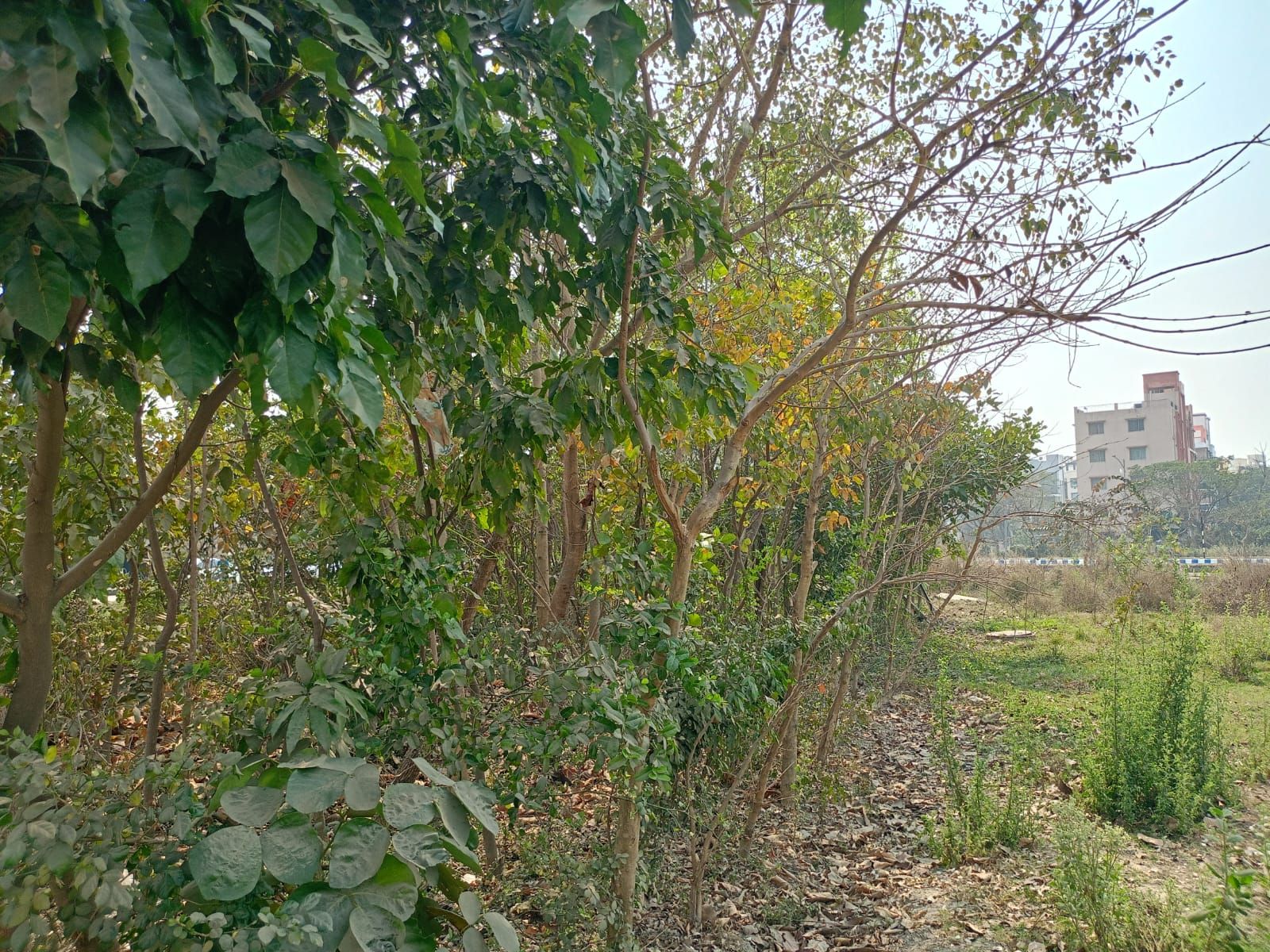
The Miyawaki method has four stages: survey the site and its natural vegetation, rebuild the soil, plant densely at random, then care for the plot for two to three years. Each stage matters, and each is where low-cost projects tend to cut corners.
Survey the site and its natural vegetation
There are two surveys. The first is of the site itself: soil, drainage, water supply, sunlight and how people and animals use the land. The second is of the nearest surviving native forest in the same agro-climatic zone. That might be a protected forest patch, an old village grove or a temple grove.
ICLEI South Asia’s guidelines for Indian cities recommend sampling that forest in plots and checking the results against the Botanical Survey of India’s regional flora. The five most dominant native trees then make up about half the planting. The next most common natives make up 25–40%, and less common natives fill the rest.
Prepare the soil
Most urban and industrial sites have compacted, poor soil, so the method rebuilds it before anything is planted. A soil test covers texture, pH, organic carbon, nitrogen, phosphorus and potassium.
The soil is then loosened to about a metre deep and mixed with three kinds of material:
- Something to open it up, such as rice husk or groundnut shells, so roots and water can move through it.
- Something to hold water, such as cocopeat or sugarcane bagasse.
- Organic manure or compost to feed it.
For example, the Backyard Botanist’s approach is to loosen the top 80–100 cm and add 4–6 kg of biomass per m²”.
Planting day: what a Miyawaki plantation involves
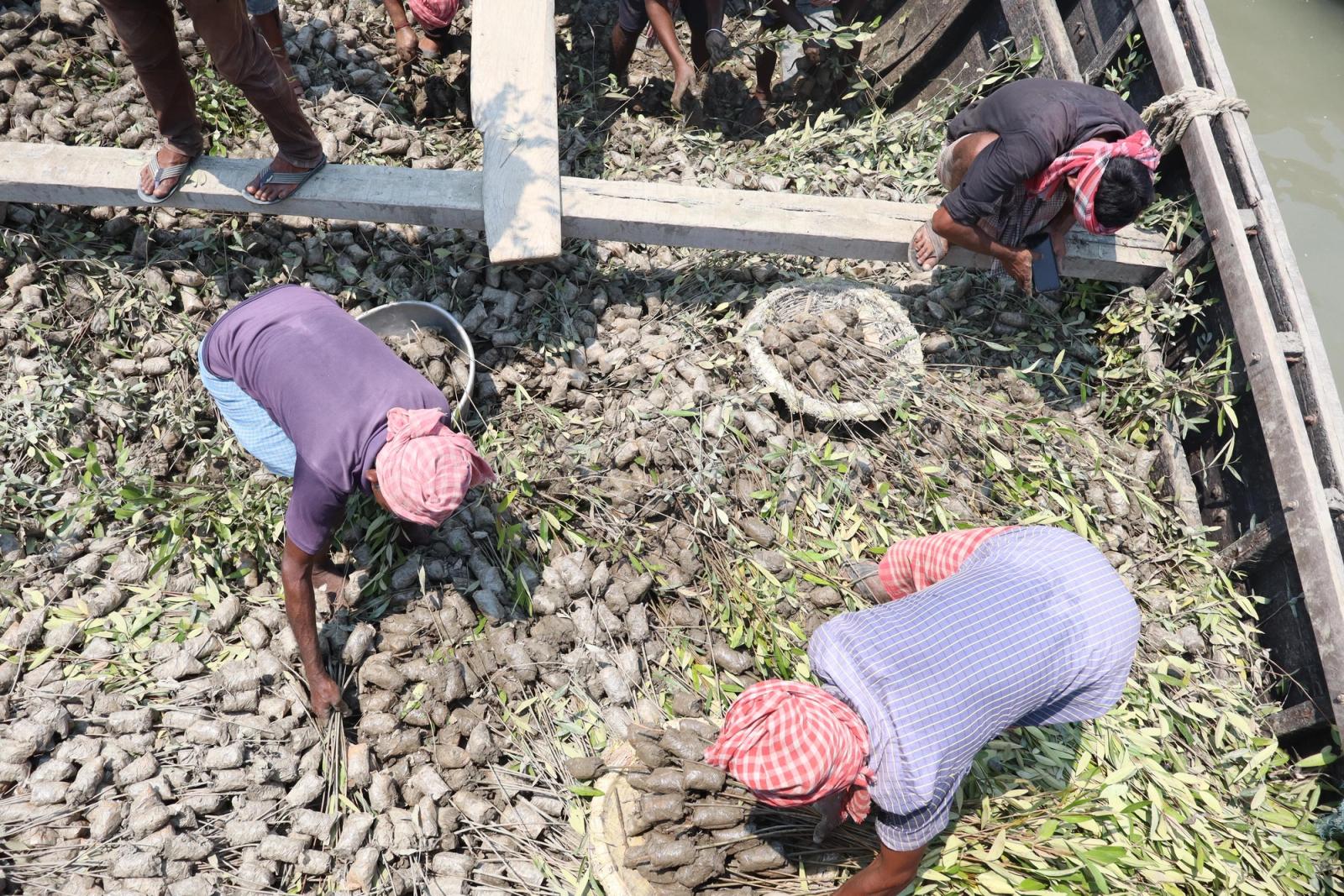
On planting day, saplings 60–80 cm tall go in at three to four per square metre. Species and layers are mixed at random, and no two saplings of the same species sit side by side. Each sapling is tied to a bamboo stake, and the bed is covered with 12–18 cm of straw or other dry mulch. That layer keeps moisture in and weeds down.
Miyawaki made planting day a community event, and many Indian projects still do. That works well, provided trained staff plant the saplings correctly and someone owns the care that follows.
Timing matters as much as technique. In most of West Bengal, planting at the start of the monsoon lets the rains do much of the first season’s watering. A plot planted in the dry months needs far more irrigation.
Care for the first two to three years
The first two to three years decide whether the plot becomes a forest. The work is regular watering through the dry months, weeding, replacing saplings that die and keeping out grazing animals.
How long that care must last depends on rainfall, soil and the species mix. Many sellers say a Miyawaki forest needs no care after year three.
A 2025 review of the scientific literature found no study that has tested whether, or when, these forests become self-sustaining (Morales et al., 2026). That’s why we never describe a forest as maintenance-free, and why care should be budgeted from the start.
Miyawaki plants for Eastern India, layer by layer
There’s no national list of Miyawaki plants. The species come from each site’s own natural vegetation, so a plot in Kolkata, one in Purulia and one in Jalpaiguri should look quite different.
West Bengal alone holds several distinct settings. The Gangetic plains around Kolkata, Howrah and Hooghly have deep alluvial soil, high rainfall and waterlogging in the monsoon. The western laterite districts, such as Purulia, Bankura and Jhargram, are drier, with thin red soils and dry deciduous sal forest.
The North Bengal foothills are wetter again, with moist sal and mixed forest. Coastal saline land in the Sundarbans needs mangrove restoration, not a Miyawaki forest.
Every list is then split into four layers, so the planting has the structure of a natural forest from day one:
- Canopy: the tallest trees, above about 20 m at maturity.
- Tree: about 10–20 m.
- Sub-tree: about 5–10 m.
- Shrub: below about 5 m.
The table below is a short extract from our Eastern India list. GA is the Gangetic plains, WL the western laterite and NB the North Bengal foothills.
| Species | Local Name | Layer | Zones |
|---|---|---|---|
| Shorea robusta | Sal | Canopy | WL, NB |
| Terminalia arjuna | Arjun | Canopy | GA, WL |
| Bombax ceiba | Shimul | Canopy | GA, WL, NB |
| Syzygium cumini | Jam | Tree | GA, WL, NB |
| Azadirachta indica | Neem | Tree | GA, WL |
| Aegle marmelos | Bel | Sub-tree | GA, WL, NB |
| Phyllanthus emblica | Amloki | Sub-tree | GA, WL |
| Justicia adhatoda | Basak | Shrub | GA, WL, NB |
Treat any list, including ours, as a starting point. A species can be native to the region and still wrong for a particular site, because of drainage, shade or how the land is used. Our guide to choosing native tree species for CSR projects covers how to test that.
Some trees turn up on “native” planting lists across Bengal but don’t belong in a Miyawaki forest here. Watch for Eucalyptus species, Acacia auriculiformis (sonajhuri), Senna siamea, Leucaena leucocephala (subabul), gulmohar and rain tree. Several are familiar, none are native to the region, and the invasive Lantana camara should never be planted at all.
Growth and survival: what to expect in years 1, 3, and 10
Early growth can be quick where the soil and water are right. But the biggest promises made for the method, such as ten times faster growth, a mature forest in 20–30 years and no care after year three, have little evidence behind them.
Year 1. The saplings are establishing roots, and the first dry season is the main test. Year-one photos usually look thin, and that’s normal. Most of the year’s work is watering, weeding and replacing losses.
Year 3. On well-prepared sites, the canopy is closing and the ground is shaded, so weeds struggle. Per our observations, 0.6–1.2 m of height growth a year for the first three years and canopy closure in roughly 18–30 months is good. Care usually tapers off from here, but how fast depends on the site.
Year 10 and beyond. The forest starts thinning itself. As the trees compete for light, weaker stems die, and density falls from three or four per square metre towards 0.5–2.5 stems (ICLEI South Asia, 2022). That’s expected, not failure. It’s also why survival should be counted at a fixed date, species by species, rather than quoted as one headline figure.
How well do the method’s popular claims hold up? A review in the Journal of Applied Ecology examined 51 papers and reports on the Miyawaki method (Morales et al., 2026). Only 41% included measured data. Of those, a third compared results with a control, and only 14% were replicated.
| Common claim | What the review found |
|---|---|
| Grows up to ten times faster | Partly supported: studies report faster growth in height, diameter and canopy in the first few years |
| Reaches maturity in 20–30 years | No empirical evidence |
| Becomes self-sustaining after three years | No study has tested it |
| Stores more carbon | Only two studies estimated carbon stocks, and neither found a significant difference over longer periods |
Only two studies estimated carbon stocks, and neither found a significant difference over longer periods
The same review found reported survival rates ranging from 62% to 100%. In short, the method can work well, but a proposal’s promises should be judged against your site and measured after planting.
When a proposal quotes a survival rate, check three things. When was it counted? Were dead saplings replaced before the count? And is it given species by species, or as one average? A plot reporting 95% after replanting every loss tells you less than one reporting 80% with no replanting.
What a Miyawaki forest in India costs
Per square metre, a Miyawaki forest in India costs far more than a conventional plantation, because of the dense planting and the deep soil work. For a properly built plot, expect a price in the low thousands of rupees per square metre.
A fully loaded, well-built plot costs ~₹1,800–3,200 per m² in 2026. That covers soil preparation, saplings, mulch, three years of care and basic monitoring, with land, fencing, irrigation and signage billed separately.
One public budget gives a sense of scale. In December 2023, Coal India’s South Eastern Coalfields announced a 2-hectare Miyawaki pilot in Chhattisgarh. Its estimated cost was about ₹4 crore for roughly 20,000 saplings planted over two years (Business Standard, 2023). That works out to about ₹2,000 per square metre.
Five things drive the price:
- Soil condition. Rubble, compaction or contamination mean more digging and more amendment.
- Saplings. Native species of the right size cost more than common nursery stock, and the plan needs three to four per square metre.
- Water. A site with a borewell or mains supply costs less than one that needs tankers through two summers.
- Years of care. Three years of watering, weeding and replacing losses is a real budget line, not an optional extra.
- Protection and monitoring. Fencing, security and regular survival counts add to the bill.
A quote far below the usual range normally means something has been left out, most often the soil work or the care after planting. Ask for the cost per square metre broken down by stage, so you can compare quotes like for like.
Cost per sapling planted is also the wrong yardstick. What matters is the cost per sapling still alive at the end of year three. A cheap planting that loses half its saplings costs more per surviving tree than a careful one.
Have a Miyawaki proposal on your desk? Send it to us. We’ll check the species list, density, soil plan and care terms, free, whoever wrote it. Book a free proposal review
When a Miyawaki forest is the wrong choice
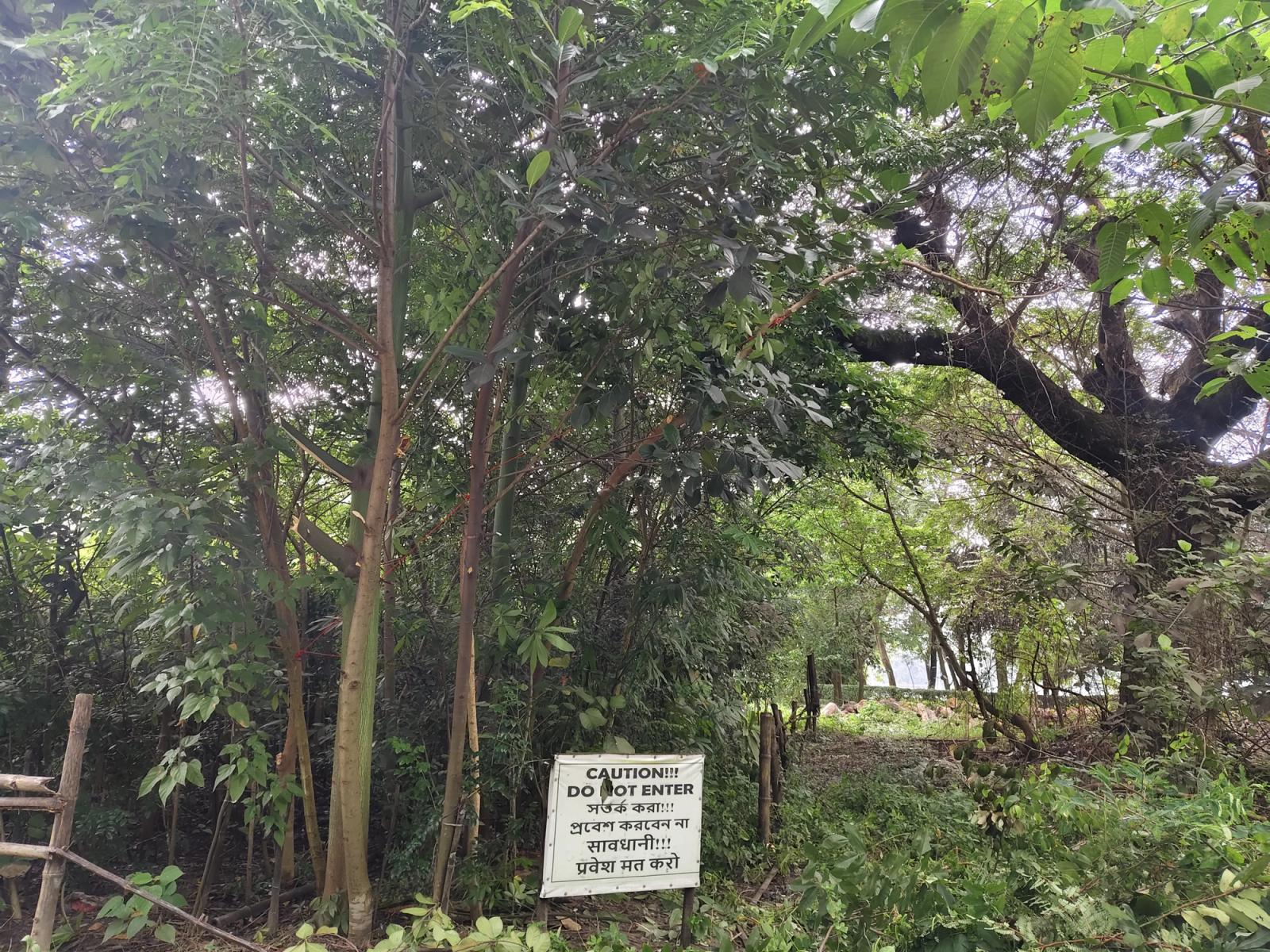
A Miyawaki forest suits a narrow set of conditions: a small, secure plot with degraded soil that can be rebuilt, water for the first two to three years and a goal of dense native cover. Outside those conditions, another approach usually does more for the land and for the money.
We have had clients for whom a Miyawaki forest wasn’t the right fit for what they wanted. India’s ecology is too varied for one recipe.
Delicate ecological niches don’t always respond well to by-the-book restoration, and across a country this size, a Miyawaki plot isn’t always the most efficient conservation move. The researchers behind the 2025 review make a similar point. They worry that a method “designed for specific conditions is being applied everywhere” (Mongabay, 2026).
Four situations call for something else:
- Land that was never forest. Grasslands, savannas, rocky outcrops and wetlands are ecosystems in their own right. India’s open natural ecosystems cover about 10% of the country and are often mapped as “wastelands”. Less than 5% of them are protected (Madhusudan and Vanak, 2023). Planting a dense forest there replaces one native ecosystem with another.
- Large landscapes. Karen Holl, a restoration researcher at the University of California, Santa Cruz, calls the method “impractical and cost-prohibitive” at scale. Across many hectares, assisted natural regeneration, which protects and helps natural regrowth, usually goes further where roots and seed sources survive.
- Intertidal and saline land. This needs mangrove restoration, with species matched to each tidal zone.
- Farmland where income matters. Agroforestry adds trees while keeping the land productive.
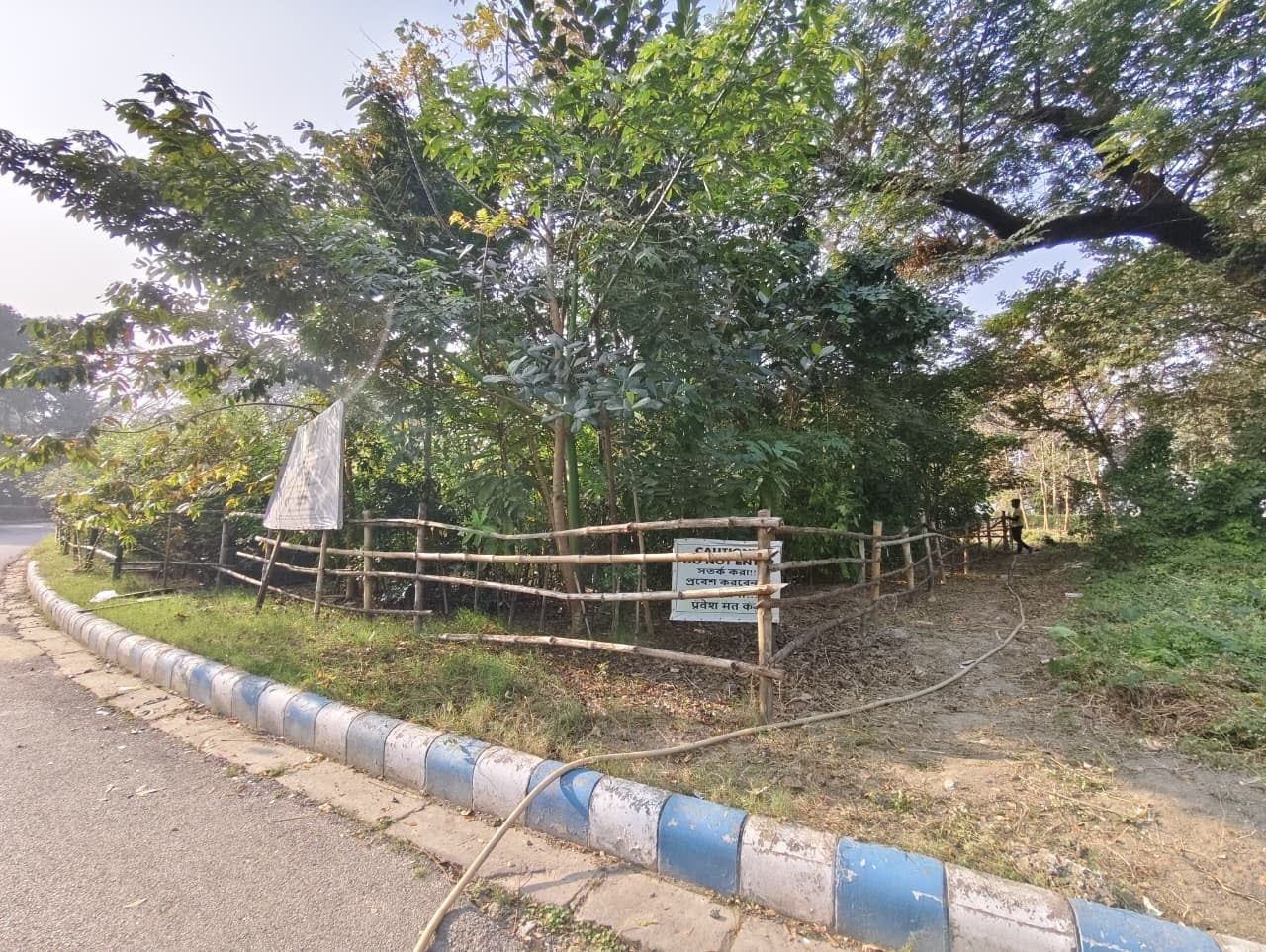
Two practical checks rule out more sites. If the land is secure for less than about ten years, or there’s no budget for care after planting, a Miyawaki forest is unlikely to last.
| Approach | Best fit | Typical scale | Relative cost per hectare |
|---|---|---|---|
| Miyawaki forest | Small, degraded, secure urban or institutional plots | 100–3,000 m² | Highest |
| Assisted natural regeneration | Land where roots, stumps or seed sources survive and can be protected | Hectares to whole landscapes | Lowest |
| Agroforestry | Farmland where owners need an income from the land | Farm plots and boundaries | Low to moderate |
| Mangrove restoration | Intertidal coastal land | Hectares | Moderate |
Relative costs are our assessment, based on the work each approach needs per hectare.
Miyawaki forests in practice: Backyard Botanist projects
Backyard Botanist has planted and nurtured more than 100,000 urban and Miyawaki saplings, with urban and Miyawaki forests in Kolkata and Mumbai.
Our projects follow an eight-stage process: site assessment, species selection, ecological design, planting, monitoring, maintenance, impact assessment and reporting. What changes from site to site is the species list, the depth of soil work and how long the care lasts.
We monitor each forest after planting, from geotagged field data, drone surveys, GIS mapping and tree-level QR codes, so survival is measured rather than assumed.
Not every inquiry should end in a Miyawaki forest. Where a site is better suited to mangrove restoration, agroforestry or natural regeneration, we recommend that instead.
You can see the full range of our Miyawaki forest services and other restoration work on our services page.
Planning a restoration project, or not sure what fits your site? Book a free proposal review with our team. Talk to us