
If you run CSR for a company in India, the environment is probably on next year’s list. On paper, nothing stands in the way.
The law allows a wide range of environmental work, and in December 2025 the Supreme Court said that corporate social responsibility includes environmental responsibility.
Yet environmental CSR in India still receives only about a tenth of all CSR money. Many of the projects it funds are never checked after their first year.
This guide covers what counts as environmental CSR, who must spend, where the money goes in Eastern India and how to choose a project and a partner that will last. It ends with a checklist any CSR committee can leverage and execute.
The law described here is as it stood on 12 November 2026. Treat it as general information, not as legal advice for your company.
What environmental CSR in India covers
Environmental CSR in India is any CSR project that falls under item (iv) of Schedule VII to the Companies Act, 2013.
That item covers environmental sustainability, ecological balance, protection of flora and fauna, animal welfare, agroforestry, conservation of natural resources and the quality of soil, air and water.
It also covers contributions to the Clean Ganga Fund.
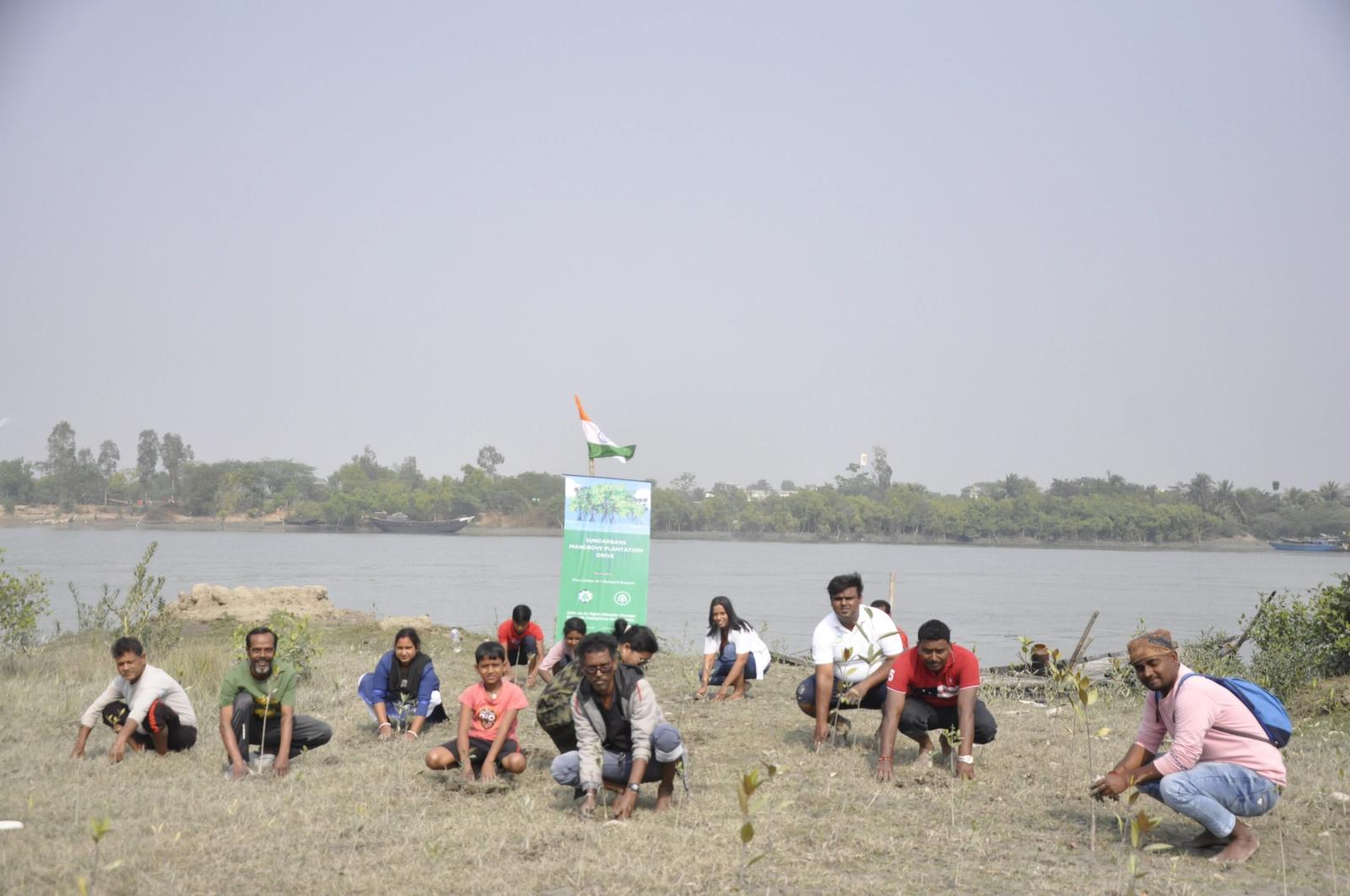
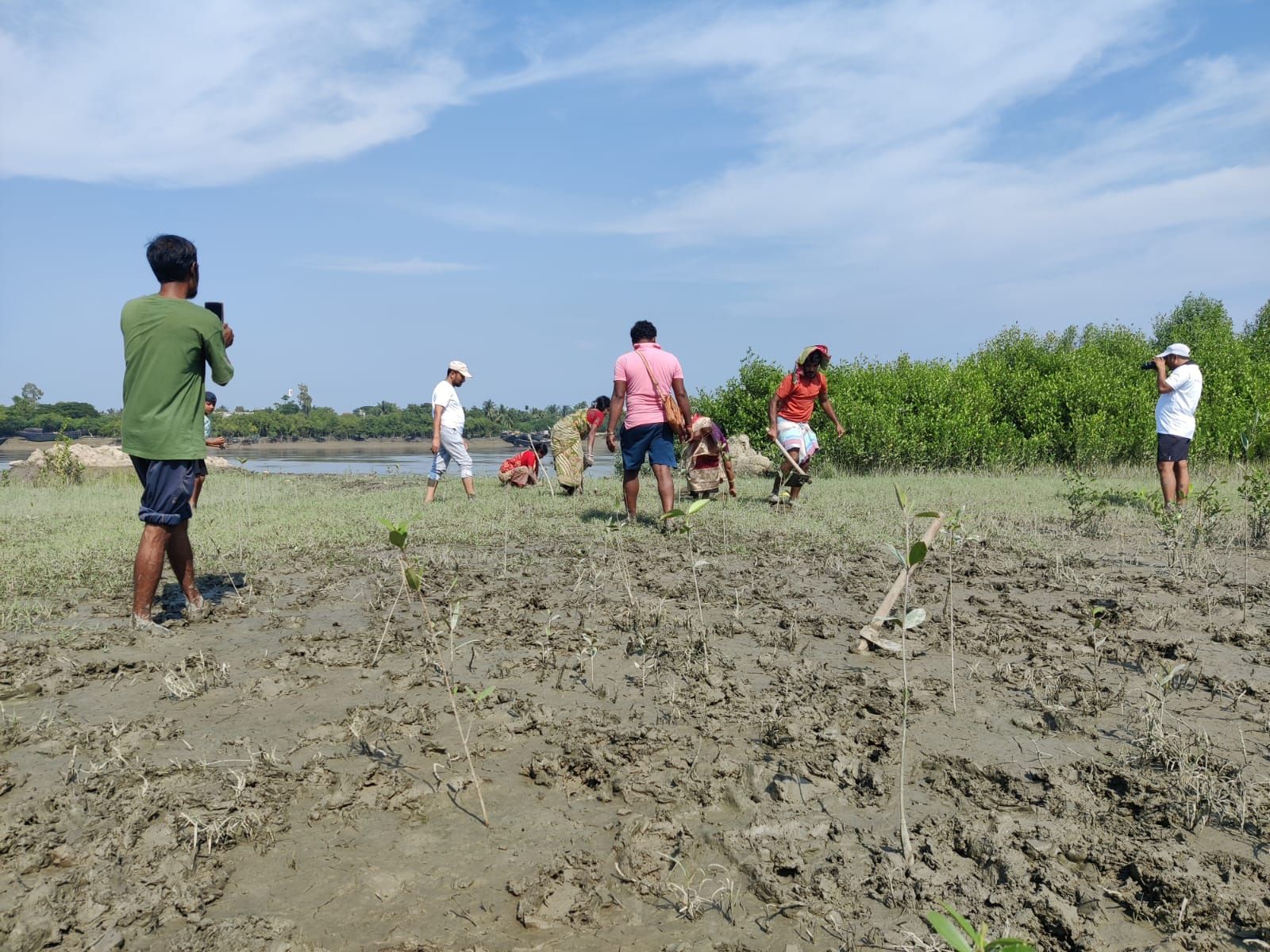
The Ministry of Corporate Affairs has said the Schedule’s entries should be read liberally. Restoration work the item doesn’t name, such as mangroves or wetlands, generally fits within it.
A project can also sit under more than one item. Agroforestry with farmers, for example, may count as rural development under item (x) as well.
What doesn’t count
The CSR Rules exclude several kinds of activity (Rule 2(1)(d)). Three matters for environmental projects:
- work done in the normal course of the company’s business
- activities that benefit only the company’s employees
- work the company must do anyway under another law
The third catches many industrial companies.
Plantation required by an environmental clearance, or compensatory afforestation for diverted forest land, is a legal obligation. It can’t be counted as CSR.
A useful test: if the company would have to do the work even without a CSR law, it isn’t CSR.
Two more conditions apply to every project. It must be carried out in India, and it can’t be a sponsorship meant to market the company’s products.
Why it matters more since December 2025
On 19 December 2025, in M.K. Ranjitsinh v. Union of India, the Supreme Court held that the corporate idea of social responsibility “must inherently include ‘Environmental Responsibility’” (2025 INSC 1472).
It described spending on environmental protection as the fulfilment of a constitutional duty, not an act of charity.
The case concerned the Great Indian Bustard and power companies in Rajasthan and Gujarat, so its directions are specific to them. Its reasoning is wider. Boards can expect closer attention to what their CSR does for the environment.
Who must spend on CSR, and how much
CSR is mandatory for a company that crossed any one of three thresholds in the previous financial year (Section 135(1)):
- net worth of ₹500 crore or more
- turnover of ₹1,000 crore or more
- net profit of ₹5 crore or more
Such a company must spend at least 2% of its average net profit over the three preceding financial years.
That profit is calculated under Section 198 of the Act, so it can differ from the profit in the annual accounts. The 2% is a floor, not a ceiling.
The CSR committee recommends the policy and an annual action plan, and the Board approves both and answers for the spending. A company whose obligation is ₹50 lakh or less doesn’t need a committee; its Board does that work (Section 135(9)).
Money that isn’t spent has to move. If it belongs to an ongoing project, it goes into a separate Unspent CSR Account within 30 days of the year’s end and must be spent within three financial years. Any other unspent amount goes to a fund listed in Schedule VII within six months of the year’s end (Section 135(5) and (6)).
A company that misses those transfers faces a penalty of twice the amount or ₹1 crore, whichever is less. Each officer in default faces one-tenth of the amount or ₹2 lakh, whichever is less (Section 135(7)).
What may change. The Corporate Laws (Amendment) Bill, 2026 would raise the net-profit threshold from ₹5 crore to ₹10 crore. Law-firm summaries say it would also raise the committee exemption to ₹1 crore and allow 90 days, not 30, to move unspent funds. The Bill was introduced in the Lok Sabha on 23 March 2026, and a joint parliamentary committee reported on it on 3 August 2026. It had not been passed as of 12 November 2026, so the current thresholds apply.
Where environmental CSR spending goes in Eastern India
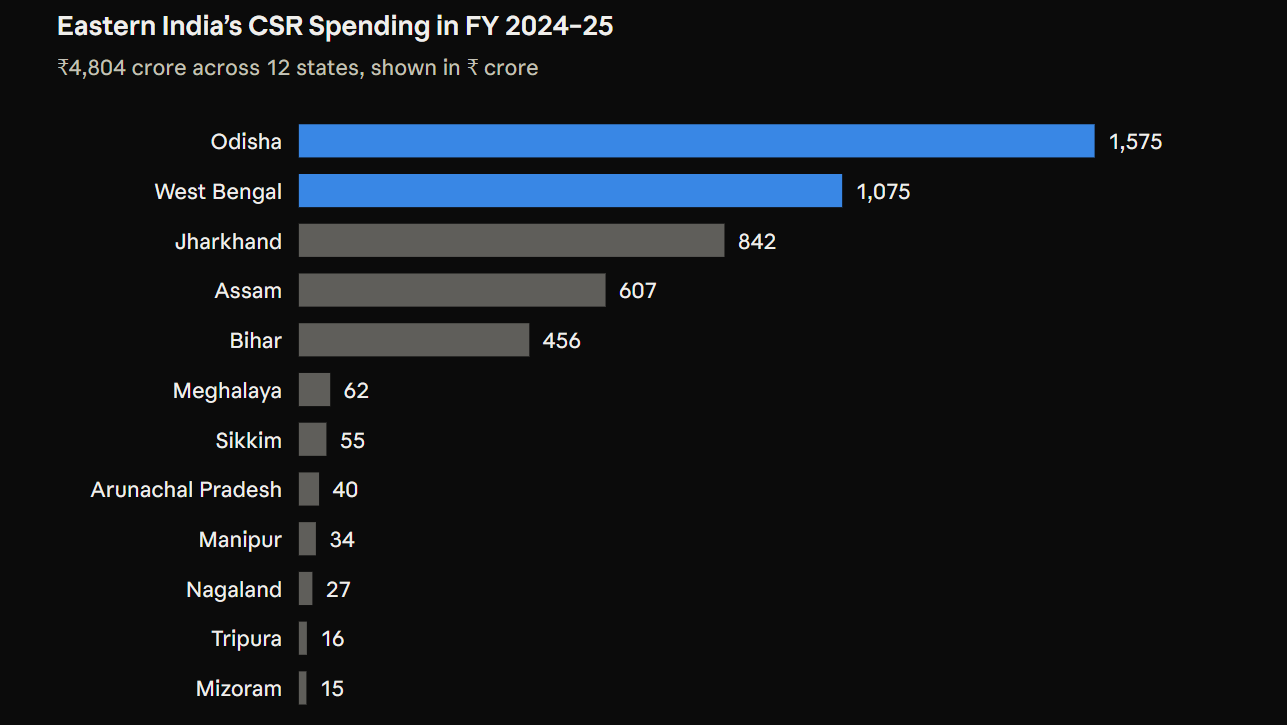
Eastern India received ₹4,804 crore of CSR in 2024–25, about 12% of the national total. Environmental work took 11% of India’s CSR that year. At that rate, the region’s environmental CSR would be about ₹530 crore.
The national picture
Companies spent ₹40,794 crore on CSR in 2024–25, according to figures the government gave Parliament in July 2026. The five lines that map to item (iv) took ₹4,491 crore of it:
- environmental sustainability: ₹3,397 crore
- animal welfare: ₹561 crore
- conservation of natural resources: ₹426 crore
- agroforestry: ₹88 crore
- Clean Ganga Fund: ₹19 crore
That share has more than doubled since 2020–21, when it was 5%. Environmental sustainability alone grew 37% in a year.
The money comes from a few hands, though. A July 2026 study by Sattva Consulting found that 68 companies provide more than 40% of India’s environmental CSR (Business Standard, 2026).
The Eastern India picture
The 12 states from Bihar to Arunachal Pradesh hold about a quarter of India’s people but drew about an eighth of its CSR. Odisha and West Bengal took 55% of the region’s total. The seven smallest states shared ₹248 crore between them.
Per person, the gap is wide. Bihar received about ₹44 a head and West Bengal about ₹118, against a national figure of ₹337.
Money also follows operations rather than need. In Odisha, three districts took half the state’s CSR: Angul and Keonjhar, both mining and industrial centres, and Khordha, which holds the state capital.
Two cautions apply to these figures. First, the published tables don’t cross state with sector, so the ₹530 crore figure is an estimate. It assumes Eastern India splits its CSR as the country does.
Second, state totals for 2024–25 can’t be compared directly with earlier years. Until 2023–24, about a fifth of all CSR was filed as “PAN India” rather than under a state.
In 2024–25 that fell below 2%, so every state’s figure rose partly through reclassification.
Choosing environmental CSR projects that last
Projects tend to fail for one of two reasons: the wrong method for the site, or the right method funded for only one year.
| Approach | Suits | Watch for |
|---|---|---|
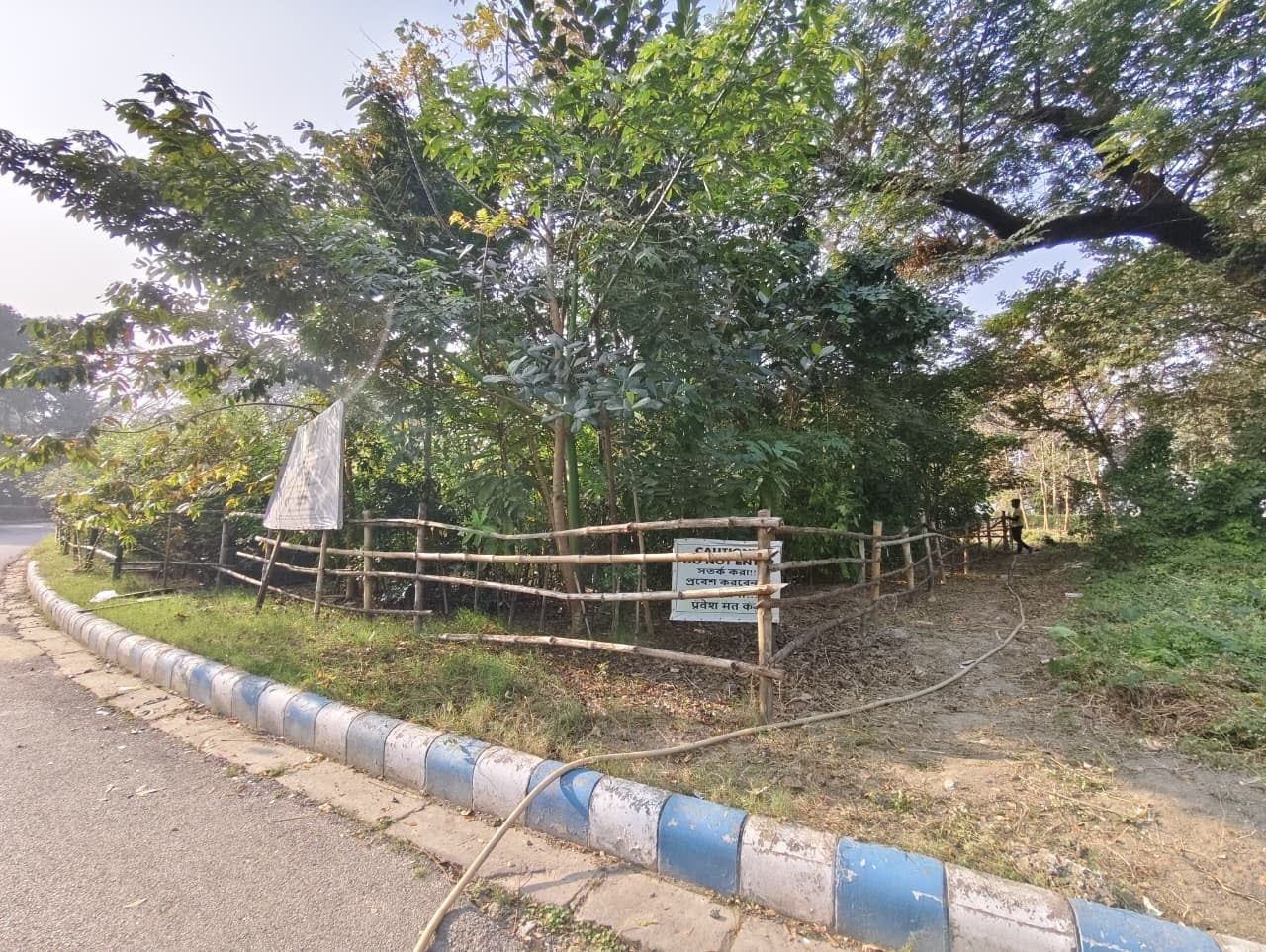
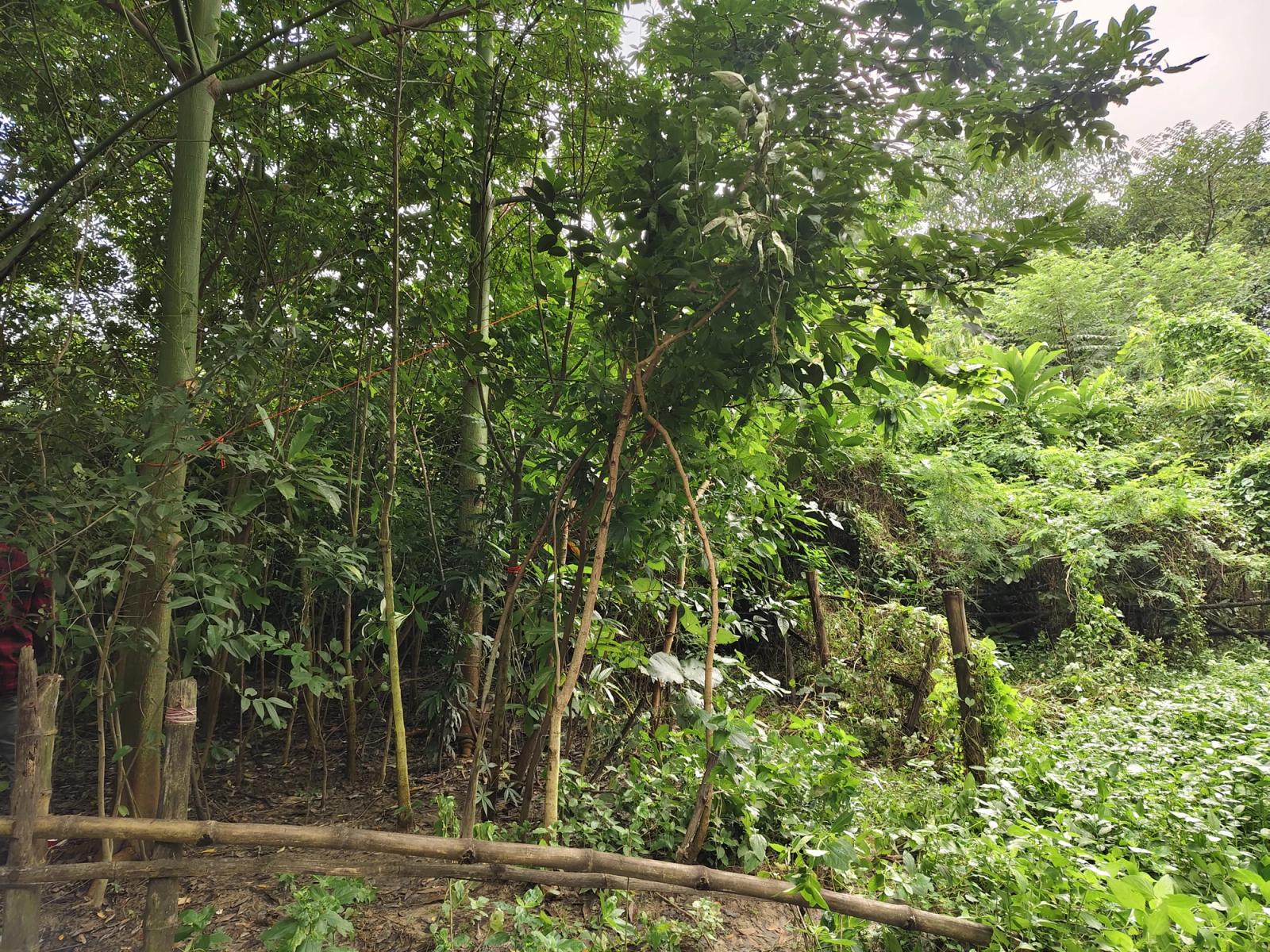
| Native tree plantation | Degraded land that was once wooded; campuses and roadsides | A species list taken from a nursery catalogue; no care after year one |
| Miyawaki forest | Small, secure urban plots with water for two to three years | High cost per square metre; wrong for large or open land |
| Mangrove restoration | Intertidal coast, as in the Sundarbans | Planting where the tides and soil don’t suit mangroves |
| Agroforestry | Farmland where owners need an income | Farmer consent, and a market for what the trees produce |
| Assisted natural regeneration | Land where roots and seed sources survive | Years of protection from grazing and fire, with little to photograph |
Planting trees isn’t always the environmental choice. In the bustard case, the conservation measures the Supreme Court ordered include removing plantations of non-native woody species and restoring grassland.
Grasslands, wetlands and scrub are ecosystems in their own right, and a plantation can damage them.
Our guides go deeper on three of these choices: the Miyawaki forest, plantation vs restoration in environmental CSR and choosing land for an environmental CSR project.
When CSR tree plantation works, and when it doesn’t
CSR tree plantation works when the project is judged by trees alive, not saplings planted. That takes four things: species that belong on the site, two to three years of funded care, a community with a stake in the outcome and a survival count on fixed dates.
It fails when any of those is missing, and the evidence is sobering. A study of 430 plantations in Himachal Pradesh found that decades of planting had not increased forest canopy cover. It had also modestly shifted the forests away from the broadleaf species local people value (Coleman et al., 2021).
Choosing and checking an implementation partner
There are two legal routes, and the checks differ. A company can run a project itself, or it can work through an implementing agency that is eligible under Rule 4 of the CSR Rules and registered with the Ministry of Corporate Affairs on Form CSR-1.
Route 1: an implementing agency. The agency must be a Section 8 company, a registered public trust or a registered society, with the income-tax registrations the rule requires. It must either be set up by the company or have at least three years’ track record in similar work. Bodies set up by the government or under an Act also qualify. Every agency needs a CSR registration number, which Form CSR-1 has provided since 1 April 2021. Ask for it first.
Route 2: the company runs the project itself. No implementing agency is involved, so Form CSR-1 doesn’t arise. The company can hire specialists and contractors for the fieldwork, but it stays responsible for delivery, records and reporting.
For instance, Backyard Botanist is not registered on Form CSR-1, however, we work as the ecological design, field delivery, implementation partner and vendor for companies that run projects directly, and alongside CSR-1 registered agencies.
Eligibility is only the first test. Whichever route you take, check that the people doing the work can deliver it:
- Plant material: their own nurseries or a named seed source, with every species listed by scientific name.
- Field team: local staff based near the site.
- Track record: survival figures from past sites, each with the date it was counted.
- Monitoring: what they measure, how often and what the report looks like.
- Community: a written agreement with the people who use the land.
Our guides on how to evaluate an environmental CSR partner and community participation in environmental CSR cover these checks in detail.
Whoever does the work, the Board must satisfy itself that the money was used as approved, and the chief financial officer must certify it (Rule 4(5)).
Multi-year projects, unspent funds and budgets
An environmental project rarely fits inside one financial year, and the rules allow for that. The Board can approve it as an “ongoing project”, which may run for up to three financial years after the year it starts (Rule 2(1)(i)).
That matters because a planting project spends unevenly. Most of the cost falls in the first year, but the result depends on the care that follows.
| Year | What the budget pays for |
|---|---|
| Year 1 | Site survey, soil work, saplings, planting, fencing and the baseline record |
| Year 2 | Watering, weeding, replacing losses and the first survival count |
| Year 3 | Lighter care, the second survival count and the handover report |
A one-year budget pays for the first row and leaves the other two to chance.
Four rules shape a multi-year budget:
- Year-wise allocation: The Board approves the project with a timeline and an amount for each year, then monitors it against both (Rule 4(6)).
- Unspent money: Whatever isn’t spent in a year moves to the Unspent CSR Account within 30 days of the year’s end and stays reserved for the project. It must then be spent within three financial years, or it goes to a Schedule VII fund.
- Overheads: Administrative overheads can’t exceed 5% of a company’s CSR spending for the year (Rule 7(1)). Costs incurred directly on designing, running, monitoring and evaluating a project aren’t overheads, so monitoring belongs in the project budget.
- Assets: A capital asset bought with CSR money, such as a nursery or fencing, must be held by an eligible non-profit, the beneficiaries or a public authority, not by the company (Rule 7(4)).
A company that spends more than its obligation can set the excess off against the next three years (Rule 7(3)). Our post on environmental CSR budget planning works through the numbers.
Planning next year’s environmental CSR? Send us the proposal on your desk. We’ll review the site fit, design, budget phasing and care terms, free, whoever wrote it. Book a free proposal review
Monitoring, impact assessment and reporting
A company with an average CSR obligation of ₹10 crore or more over the three preceding years must commission an independent impact assessment of each project with an outlay of ₹1 crore or more. The study is done at least a year after the project is complete (Rule 8(3)).
The report goes to the Board and is attached to the annual report on CSR. Its cost can be booked as CSR spending, up to 2% of the year’s CSR spending or ₹50 lakh, whichever is higher.
Smaller companies aren’t excused from checking. The annual action plan must set out how each project will be monitored (Rule 5(2)), and the Board still has to satisfy itself that the money was used as approved.
For a planting or restoration project, a useful monitoring plan measures five things:
- Survival: counted by species on fixed dates, such as 12, 24 and 36 months after planting
- Growth: height and canopy cover on the same dates
- Area: the land under native cover, mapped
- People: who benefits, and what the community agreed to and received
- Evidence: photos from fixed points, geotagged and dated
Set this plan before planting, not after. Every later count is measured against the baseline taken on planting day: the number planted by species, a map of the site and the fixed photo points.
Reporting then runs on three tracks. The Board’s report carries the annual report on CSR. The company files Form CSR-2 with the Registrar.
The largest listed companies also file a Business Responsibility and Sustainability Report with SEBI, where CSR projects appear under Principle 8 and the company’s own environmental footprint under Principle 6.
That last track marks the line between CSR and ESG. CSR is what a company spends for others. ESG reporting covers how the company runs itself.
A pre-approval checklist for environmental CSR
Run these ten checks before the CSR committee approves an environmental project. A proposal that can’t answer one of them isn’t ready for the Board.
- Eligibility. The project fits item (iv) of Schedule VII, and the board paper says how.
- No overlap with legal duties. It isn’t work the company must do anyway under a clearance, a consent or another law.
- Land. The site is in India, its ownership and current use are documented, and it is secure for at least ten years.
- Method. The approach suits the land, whether that is former forest, grassland, wetland or coast.
- Species. Every species is native to the site and listed by its scientific name.
- Partner. An implementing agency has a CSR registration number. If the company runs the project itself, each contractor’s role is set out in writing.
- Budget. The money covers at least three years, with an amount for each year.
- Survival. The proposal says when and how survival will be counted, and who replaces losses.
- Community. The people who use the land have agreed to the project in writing.
- Reporting. The plan covers the annual CSR report, Form CSR-2 and an impact assessment if the thresholds apply.
Pay most attention to checks 3, 7 and 8. Land tenure, care years and survival counts add cost without adding saplings, so they are the easiest to trim from a proposal.
They also decide whether anything is still standing when an impact assessment falls due. For the rules behind each check, see our guide to environmental CSR compliance in India.
Working on an environmental CSR project for the next financial year? Book a free proposal review with our team. Talk to us
This guide explains the law in general terms as it stood on 12 November 2026. It is not legal advice. Check the current text of the Companies Act, 2013 and the CSR Rules, and consult your company secretary or legal adviser, before acting on it.